Being Heals, Vashi

Care for the way you feel, move and look.

Explore body, skin, heart and recovery-focused therapies in one welcoming clinic. Start with a conversation about what matters to you.

Innovative wellness for complete well-being
Advance slimming treatment with EMS pads
Vashi, Navi MumbaiCare that considers the whole you
SculptRejuvenateRepairReshape

A fuller picture of well-being.

Feeling good is personal. Our range of non-invasive treatments brings body contouring, skin care, heart-focused therapy and recovery support together in one place.

We are in Sector 28, Vashi, Navi Mumbai. You can ask about one treatment or compare several options. Our team can explain what a session involves and what to consider before deciding.

Start a conversation

Getting here

Free pickup and drop

We offer a free pickup and drop service for clinic visits. Mention it in your enquiry and our team can arrange the details with you.

Machine information

FDA status, by device

Our clinic materials refer to US FDA-approved machines. Ask our team for the exact model and its approval or clearance documentation for the treatment you are considering.

Find the care that fits.

Explore the treatments available at Being Heals. Your enquiry is the first step toward understanding whether a therapy is right for you.

Hydra facial treatment

Skin & rejuvenation

Hydra Facial

A multi-step facial that combines cleansing, exfoliation, extraction and hydrating serums. Ask about it if dryness, dullness or congested pores are concerns for you.

Ask about Hydra Facial
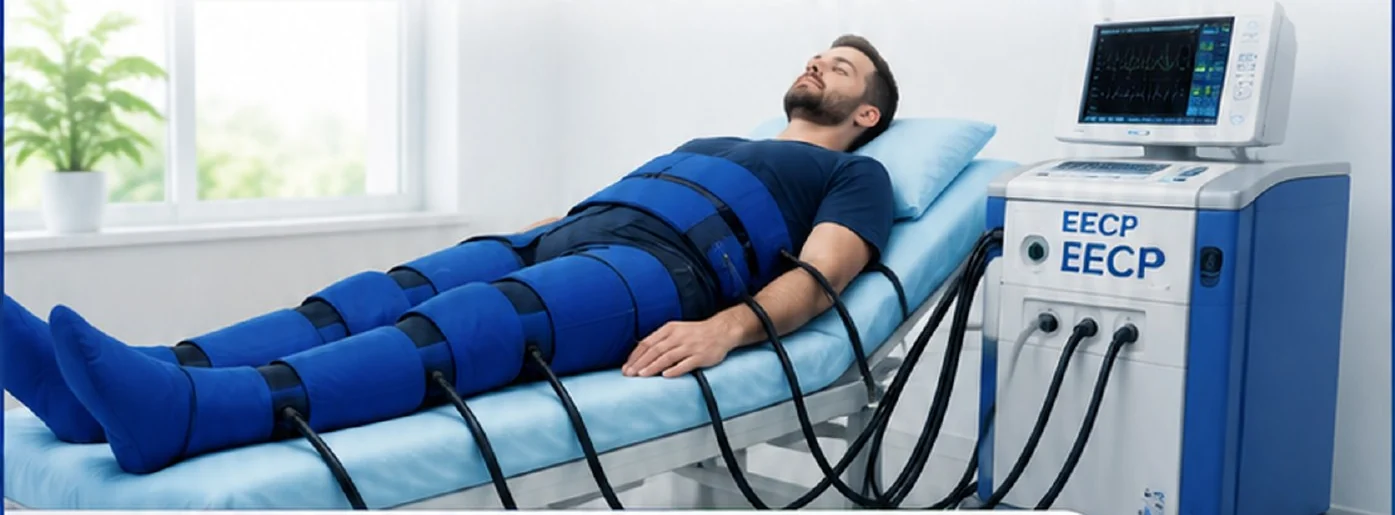
EECP treatment with pressure cuffs

Heart-focused care

EECP Therapy

Timed pressure cuffs on the legs are used during this non-invasive heart-focused therapy. A medical review is important to decide whether EECP is appropriate for your care.

Ask about EECP Therapy
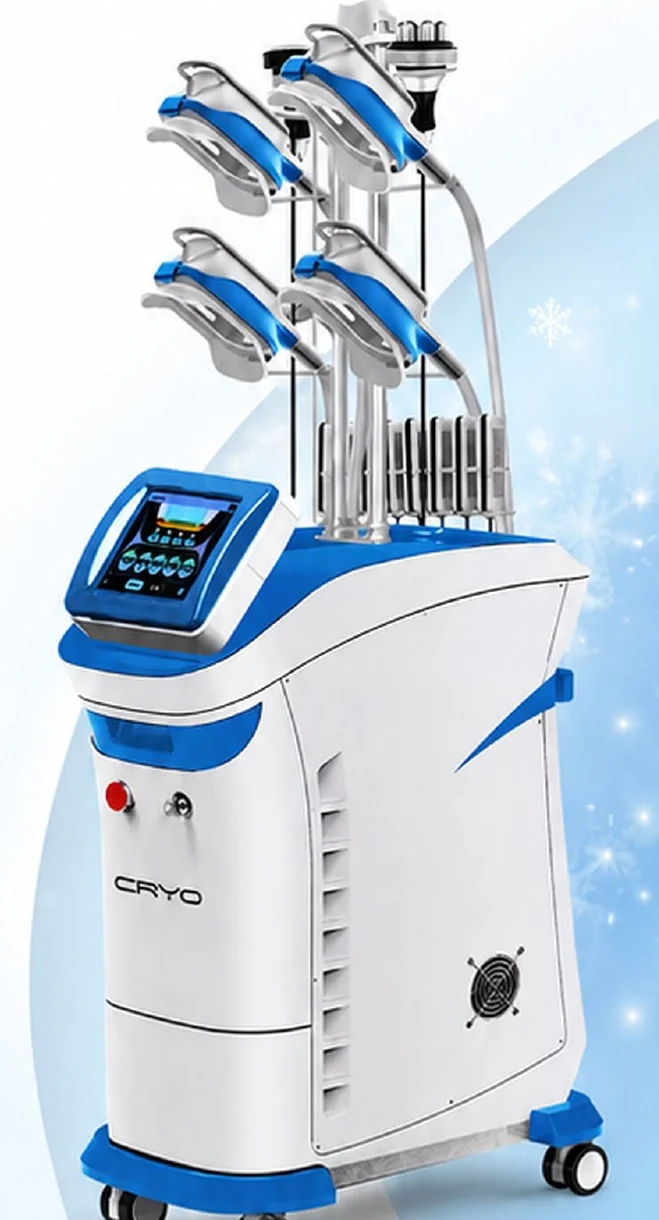
Cryolipolysis equipment

Body contouring

Cryolipolysis

Controlled cooling is used to contour localized areas of fat. It is not a weight-loss treatment. Ask which areas are suitable and what changes, limits and risks to expect.

Ask about Cryolipolysis
Body contouring treatment with EMS pads

Body contouring

Advance Slimming

EMS pads stimulate muscles while Cello Therm adds warming technology. The clinic presents this combination for body tone and contouring, with the treatment area discussed in consultation.

Ask about Advance Slimming
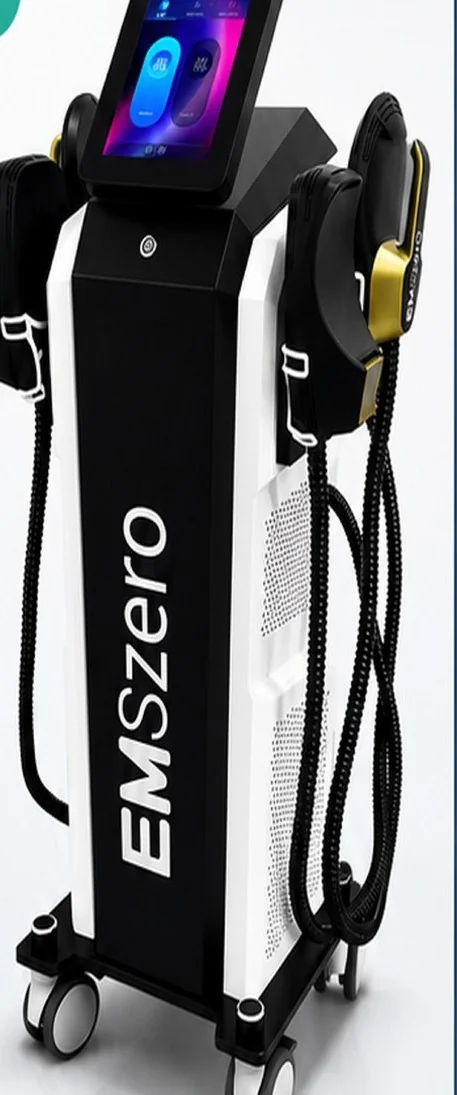
EMSZero muscle stimulation device

Body contouring

EMSZero

Focused electromagnetic stimulation creates repeated muscle contractions. The clinic lists the abdomen, buttocks, thighs, arms and calves as areas to discuss.

Ask about EMSZero
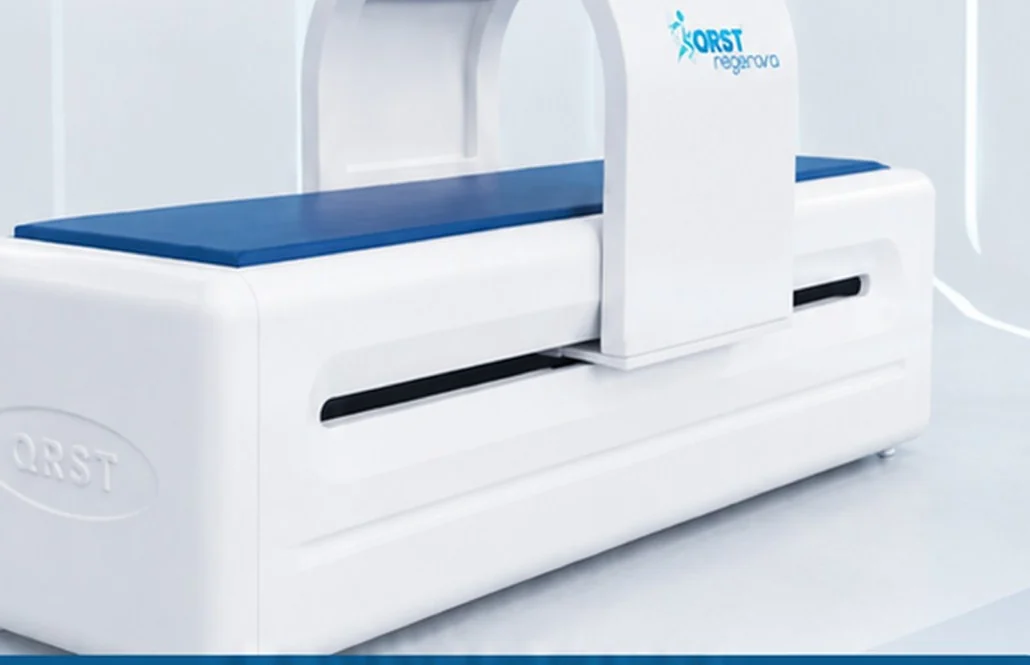
QRST therapy equipment

Recovery support

QRST Therapy

A device-based option within the clinic's pain and recovery services. Its materials mention back and neck discomfort, joint stiffness and sports-related concerns; discuss suitability with the team.

Ask about QRST Therapy
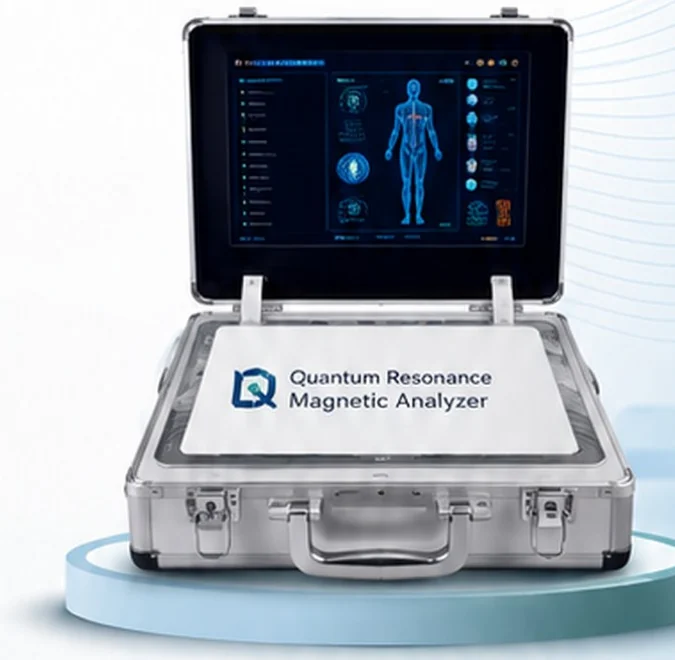
Quantum Resonance Magnetic Analyser at Being Heals

Wellness assessment

Explore your wellness questions

Being Heals also offers a Quantum Resonance Magnetic Analyser (QRMA) wellness session. It is not a diagnostic medical test and should not replace established screening or advice from a qualified clinician.

Enquire about QRMA

A New Era in Orthopedic Care: Beyond Surgery and Medication

Orthopedic conditions such as joint pain, back problems, and musculoskeletal injuries affect millions of people worldwide. Traditionally, treatment options have focused on medications to manage pain or surgical procedures to repair damaged tissues. While these approaches can be effective in certain cases, they may also come with limitations, including prolonged recovery time, potential side effects, and higher healthcare costs.

Today, medical innovation is opening the door to a new era in orthopedic care, one that focuses on supporting the body’s natural healing processes through advanced, non-invasive technologies. These modern approaches are helping patients explore treatment options that go beyond surgery and long term medication.

QRST orthopedic care graphic with a knee joint illustration
Orthopedic care and QRST graphic from the document

The Limitations of Traditional Treatment Approaches

For many years, orthopedic care has relied heavily on pain management through medications and, when necessary, surgical intervention. Although these methods can provide relief, they often focus on addressing symptoms rather than supporting the underlying healing process.

Some common challenges associated with traditional treatments include:

  • Temporary relief from pain without addressing root causes
  • Potential side effects from long term medication use
  • Recovery time and rehabilitation following surgery
  • Disruption of daily activities during recovery periods

Because of these challenges, patients and healthcare professionals are increasingly interested in treatment methods that promote healing in a less invasive way.

The Shift Toward Regenerative and Non-Invasive Therapies

Modern orthopedic care is gradually shifting toward regenerative and technology driven therapies that support the body’s ability to repair damaged tissues. Instead of focusing solely on symptom management, these approaches aim to stimulate biological processes that contribute to recovery.

Non-invasive therapies are designed to:

  • Encourage cellular regeneration
  • Improve circulation in affected areas
  • Support tissue repair and recovery
  • Reduce inflammation associated with musculoskeletal conditions

By working with the body's internal healing systems, these treatments offer a promising alternative for individuals seeking safer and more comfortable recovery options.

How Technology Is Changing Orthopedic Care

Advances in medical technology have introduced innovative therapeutic systems capable of interacting with the body at a cellular and molecular level. These technologies are designed to stimulate biological responses that help support tissue healing and improve musculoskeletal function.

Through controlled therapeutic stimulation, modern technologies can help activate cellular activity and support the body’s regenerative mechanisms. This scientific approach is transforming orthopedic care by focusing on healing from within rather than relying solely on external interventions.

The Role of QRST in Modern Orthopedic Care

QRST technology represents an innovative advancement in non-invasive therapeutic care. Designed to support the body’s regenerative processes, QRST uses controlled energy-based stimulation to encourage healthy cellular activity.

By interacting with the body at a cellular level, QRST technology aims to support:

  • Improved tissue repair and regeneration
  • Reduction of inflammation in affected areas
  • Enhanced musculoskeletal recovery
  • Better mobility and physical comfort

For individuals experiencing joint discomfort, back pain, or musculoskeletal conditions, QRST offers a modern approach that aligns with the evolving direction of orthopedic care.

Looking Ahead: The Future of Orthopedic Treatment

As medical science continues to advance, the future of orthopedic care is increasingly centered around innovation, regeneration, and patient focused solutions. Modern therapies are helping reshape treatment strategies by prioritizing natural healing processes and minimizing invasive interventions.

Technologies like QRST represent an important step in this transformation. By combining scientific research with advanced therapeutic systems, healthcare is moving toward a future where pain management and recovery focus not only on relief but also on restoring the body's ability to heal.

In this new era of orthopedic care, innovation is creating opportunities for safer, more comfortable, and more effective treatment experiences for patients worldwide.

Ask Being Heals about QRST

Back Pain Is Not Normal We Just Got Used to It

Illustration accompanying Back Pain Is Not Normal We Just Got Used to It
Image from the supplied article

Back pain has quietly become a part of everyday life.

It shows up after long hours at work. It lingers after waking up. It returns after brief relief. And over time, many people stop questioning it.

“It’s normal.” “It happens with age.” “It’s just part of my routine.”

But here’s the reality back pain is not normal.It’s simply something we’ve learned to live with.

How Back Pain Became “Normal”

Modern lifestyles have redefined how our bodies function.

Extended sitting, minimal movement, poor posture, and constant screen exposure place continuous strain on the spine. What was once occasional discomfort gradually becomes persistent.

The spine is designed for movement and support. But when it is subjected to repetitive stress without proper recovery, small imbalances begin to develop.

These imbalances don’t appear suddenly. They build over time:

  • Muscle fatigue
  • Reduced flexibility
  • Localized inflammation
  • Strain on supporting structures

Initially, the discomfort is mild. Easy to ignore. Easy to push through.

But the body keeps track.

The Problem with Ignoring Early Signs

Back pain rarely stays the same.

What starts as stiffness or occasional soreness often progresses into a recurring issue. As the underlying condition is not addressed, the body compensates in ways that can worsen the problem.

You may begin to notice:

  • Increased frequency of pain
  • Limited range of movement
  • Discomfort during routine activities
  • Reduced endurance while sitting or standing

At this stage, the issue is no longer temporary it becomes structural and functional.

Why Temporary Solutions Don’t Work Long Term

Many people rely on short term solutions to manage back pain.

Painkillers reduce discomfort.Basic exercises offer temporary relief.Rest provides short term recovery.

While these methods may help initially, they often do not address the deeper issue of how the body is repairing and maintaining the affected area.

Without improving the underlying repair mechanisms, the pain returns.

This creates a cycle:Relief → Activity → Recurrence.

Understanding What’s Really Happening

Back pain is not just about muscles or posture. It involves how effectively the body is able to repair tissue, maintain circulation, and coordinate movement.

At a deeper level, recovery depends on:

  • Cellular activity
  • Efficient blood flow
  • Proper signal transmission within the body

When these systems are compromised, the spine and surrounding tissues do not recover fully.

This leads to ongoing discomfort and reduced functional stability.

A More Advanced Approach to Recovery

At QRST, the focus is on addressing back pain at its functional and cellular level.

Using bio-magnetic resonance technology, QRST works to:

  • Enhance cellular responsiveness
  • Support tissue repair processes
  • Restore balance in affected areas

This approach goes beyond managing symptoms. It focuses on improving how the body responds to strain and recovers from it.

What Changes When Recovery Improves

When the body begins to function more efficiently, the experience of back pain shifts.

You may notice:

  • Reduced stiffness over time
  • Improved flexibility and posture
  • Better tolerance to daily activities
  • More consistent movement without discomfort

Instead of temporary relief, the focus becomes sustainable recovery.

Rethinking Back Pain

Back pain should not be considered a normal part of life.

It is a signal that something within the body requires attention. Ignoring it or repeatedly managing it at the surface level delays proper recovery and increases the risk of long term issues.

Understanding this changes how you respond.

Instead of adapting to pain, the focus shifts to resolving it at its source.

Ask Being Heals about QRST

Beyond Pain Management: QRST as a Natural Alternative to Opioids and Chronic Medication Dependence

Illustration accompanying Beyond Pain Management: QRST as a Natural Alternative to Opioids and Chronic Medication Dependence
Image from the supplied article

Many individuals rely on medication to manage long standing pain, stiffness, or recurring irritation. While painkillers offer short-term comfort, they rarely address the real cause dysfunctional tissue, inflammation, or cellular fatigue. QRST offers a deeply restorative, drug free alternative built on healing the source rather than dampening the symptoms.

The Problem With Medication-First Approaches

Pain medications temporarily mute pain signals, but the underlying tissue stress continues to worsen. Over time, people may experience:

  • Dependence on painkillers
  • Reduced effectiveness of medication
  • Side effects
  • Worsening structural problems

Without addressing the origin of pain, long-term healing remains out of reach.

How QRST Provides Natural, Root-Level Healing

QRST stimulates deep tissue repair using safe, non-invasive quantum resonance. It energizes cells, improves circulation inside tissues, and reduces inflammation naturally. This approach rejuvenates the affected areas from inside, helping the body restore its natural function, something medications cannot achieve.

Why QRST Is a Strong Alternative to Painkillers

  • Targets the Cause, Not the Symptom The therapy corrects underlying tissue stress, micro injury, or stiffness that create recurring pain.
  • Drug Free and Side Effect Free No long-term chemical exposure, no dependency concerns.
  • Supports Regeneration Instead of Suppression QRST improves tissue quality, flexibility, and cellular activity, building long term resilience.
  • Works Alongside Physiotherapy and Exercise When combined with movement strengthening, QRST accelerates recovery and reduces the need for medication.

Ideal for Chronic Pain Conditions

QRST benefits individuals suffering from:

  • Repeated aches due to posture or overuse
  • Persistent stiffness
  • Joint discomfort
  • Long-term pain from old injuries
  • Degenerative tissue conditions

Creating a Real Path to Long-Term Relief

A root-cause treatment plan may include:

  • Initial QRST therapy sessions
  • Guided exercise or stretching
  • Gradual reduction of medications under medical supervision
  • Lifestyle adjustments

This holistic approach helps individuals regain control of their body without becoming dependent on medicines.

Conclusion

QRST shifts pain care from “temporary relief” to “complete recovery.” By treating at the core cellular level, it offers a safer, sustainable alternative to long-term medication, allowing individuals to rebuild comfort and freedom naturally.

Ask Being Heals about QRST

Beyond Painkillers: How Cellular Energy Modulation Can Break the Cycle of Chronic Medication Dependency

Illustration accompanying Beyond Painkillers: How Cellular Energy Modulation Can Break the Cycle of Chronic Medication Dependency
Image from the supplied article

Chronic musculoskeletal pain is rarely just a symptom it is often a signal of deeper cellular dysfunction. Yet for millions of patients, the default response remains the same: painkillers. While analgesics and anti-inflammatory medications provide short-term relief, they frequently fail to address the underlying biological imbalance responsible for persistent discomfort. Over time, this creates a cycle of dependency where symptom suppression replaces structured recovery.

Understanding how this cycle forms is critical.

When tissue injury occurs whether due to disc degeneration, ligament strain, osteoarthritis, or repetitive stress the body initiates an inflammatory cascade. In acute stages, inflammation supports protection and repair. However, when inflammation becomes chronic, cellular communication weakens. Microcirculation may reduce, metabolic exchange slows, and nerve sensitivity increases. The result is persistent pain despite ongoing medication.

Painkillers work primarily by blocking biochemical pathways that transmit pain signals. They do not restore cellular signaling integrity or optimize tissue metabolism. As a result, the structural dysfunction may continue beneath the surface. When medication effects diminish, pain reappears often leading to higher dosages or prolonged use.

This is where a fundamentally different approach becomes relevant.

QRST technology introduces the concept of cellular energy modulation. Instead of chemically suppressing pain perception, it focuses on influencing the bio-electrical environment of cells. Every cell in the human body operates through electrical gradients, membrane potentials, and frequency-based signaling. Injury or degeneration disrupts this signaling, impairing coordination between cells and delaying structured repair.

Through calibrated magnetic frequency patterns, QRST technology interacts with cellular communication pathways. The objective is not to override biological processes but to support signal correction and coordination. Improved cellular signaling can enhance oxygen utilization, metabolic efficiency, and neuromuscular regulation. These changes contribute to stabilizing inflammatory persistence and supporting tissue recovery.

When cellular efficiency improves, pain often reduces as a consequence not because it is chemically blocked, but because structural function begins to normalize.

Breaking the cycle of medication dependency requires addressing the root contributors of chronic pain: persistent inflammation, impaired microcirculation, neuromuscular imbalance, and slowed regenerative signaling. QRST technology targets these dimensions without pharmacological load, structural intrusion, or systemic chemical accumulation.

Importantly, this approach aligns with long-term musculoskeletal management strategies. Chronic pain is rarely resolved through temporary intervention. Sustainable recovery depends on restoring coordinated cellular activity across tissues particularly in spinal conditions, joint degeneration, and chronic soft tissue disorders.

Another significant factor in medication dependency is tolerance. Over extended periods, the body adapts to analgesics, requiring increased dosages for the same effect. This escalation raises concerns related to systemic side effects, organ strain, and reduced quality of life. Integrating non-invasive cellular modulation technologies can support patients seeking alternatives that focus on structured recovery rather than escalating chemical reliance.

In modern healthcare, the conversation around pain management is evolving. The focus is shifting from suppression to optimization from blocking symptoms to restoring biological coherence.

QRST technology represents this shift.

By addressing cellular energy dynamics and signal integrity, it provides a scientifically aligned pathway toward reducing long-term medication reliance. While painkillers may remain appropriate in acute scenarios, sustainable recovery demands a deeper understanding of cellular behavior.

Beyond painkillers lies a more advanced perspective, one that views chronic pain not as something to silence, but as something to decode and correct at its cellular foundation.

Ask Being Heals about QRST

Can Technology Replace Painkillers? The Rise of Drug Free Healing

Illustration accompanying Can Technology Replace Painkillers? The Rise of Drug Free Healing
Image from the supplied article

Pain is one of the most common reasons people seek medical care. From joint discomfort and back pain to muscle injuries and chronic conditions, pain can significantly affect mobility and quality of life. For decades, painkillers have been the most widely used solution to manage these symptoms. However, growing awareness about the long term effects of pain medications has led to a shift in how pain is treated.

Today, healthcare is moving toward drug free and non-invasive approaches that focus on supporting the body’s healing process rather than simply masking pain. Technologies such as QRST are part of this evolving landscape, offering innovative ways to address pain while promoting recovery at a deeper biological level.

The Limitations of Long-Term Painkiller Use

Painkillers are often effective in providing temporary relief. However, most medications work by blocking pain signals or reducing inflammation, rather than addressing the underlying cause of the discomfort.

When used frequently or over long periods, certain pain medications may lead to challenges such as:

  • Temporary relief without treating the root cause
  • Dependence on medication for daily pain management
  • Possible side effects affecting the digestive system, liver, or kidneys
  • Reduced effectiveness over time with continued use

Because of these limitations, healthcare professionals and patients are increasingly exploring alternative ways to manage pain more sustainably.

A Shift Toward Drug Free Healing

Modern medical research is increasingly focused on therapies that stimulate the body's natural healing mechanisms. Instead of suppressing symptoms, these approaches aim to support tissue repair, cellular activity, and improved circulation.

Drug-free healing methods often focus on:

  • Encouraging natural tissue regeneration
  • Supporting cellular recovery
  • Reducing inflammation through non-invasive stimulation
  • Promoting long term mobility and joint health

By addressing the biological processes behind pain, these approaches offer the potential for more sustainable recovery.

How Advanced Technology Supports Natural Recovery

Technological innovations in healthcare have opened new possibilities for managing musculoskeletal conditions and chronic pain. Energy based therapeutic systems are designed to interact with the body at a cellular and molecular level, encouraging natural healing responses.

These advanced therapies aim to:

  • Stimulate cellular activity
  • Improve circulation in affected tissues
  • Support tissue regeneration
  • Reduce inflammation naturally

By activating the body’s internal repair mechanisms, technology-driven therapies can complement traditional treatment approaches while minimizing reliance on medication.

The Role of QRST in Drug Free Healing

QRST technology is designed to support the body's natural recovery processes using controlled energy-based stimulation. By interacting with biological systems at the cellular level, QRST encourages healthy cellular responses that contribute to tissue repair and musculoskeletal recovery.

This approach focuses on improving the body’s regenerative potential rather than simply suppressing symptoms. As a result, QRST technology  is explored as a non-invasive option that supports natural healing and helps manage pain without long-term dependence on medication.

A New Era in Pain Management

As healthcare continues to evolve, the focus is shifting from temporary symptom relief toward sustainable recovery and long-term wellbeing. Drug free therapeutic technologies represent an important step in this direction.

By supporting the body’s own regenerative abilities, solutions like QRST highlight a promising future where pain management is not solely dependent on medication, but instead guided by science, technology, and the body’s natural capacity to heal.

Ask Being Heals about QRST

Cellular Regeneration and the Aging Body

Illustration accompanying Cellular Regeneration and the Aging Body
Image from the supplied article

Aging is one of life’s most natural processes, yet it remains one of the most challenging for the human body to adapt to. With time, every cell experiences a gradual decline in efficiency, leading to slower repair, reduced vitality, and greater susceptibility to fatigue and degeneration. The body that once moved with strength and precision begins to experience stiffness, fragility, and reduced resilience. However, advances in regenerative science are proving that aging does not have to mean limitation. Through innovative technologies like QRST Regeneration Technology, it’s now possible to slow, and in some cases, reverse the visible and physical effects of aging from within.

The Cellular Shift Behind Aging

At the core of the aging process lies a decrease in cellular activity and communication. As we grow older, cells become less responsive to repair signals, the energy within tissues diminishes, and natural regeneration slows down. Mitochondrial activity weakens, nutrient exchange decreases, and oxidative stress increases — resulting in fatigue, stiffness, and slow recovery. Over time, these micro-level changes manifest as loss of flexibility, joint wear, and muscular discomfort.

Traditional approaches often focus on managing symptoms rather than addressing the cause the cellular slowdown that underlies all these conditions. QRST Regeneration Technology changes this perspective completely. Instead of masking damage or providing temporary relief, it reactivates the body’s inherent ability to restore balance and rejuvenate itself from within.

Energy Based Cellular Renewal

QRST Technology operates on the principle of energy-based stimulation. By delivering carefully calibrated electromagnetic fields to targeted areas, it reawakens dormant repair pathways within the body. This process enhances the natural energy exchange between cells, allowing tissues to repair, revitalize, and perform optimally again.

What makes QRST unique is its focus on restoring vibrational harmony the rhythm at which healthy cells communicate and function. When this harmony is disrupted through aging or stress, tissues begin to lose structural integrity. QRST helps restore this balance, improving circulation, oxygen flow, and cellular metabolism. The result is stronger connective tissue, enhanced flexibility, and improved overall vitality.

Rejuvenating the Musculoskeletal System

Aging primarily impacts the musculoskeletal system the foundation of movement and stability. Over time, cartilage becomes thinner, ligaments lose elasticity, and muscles stiffen. QRST Technology targets these underlying cellular weaknesses. By boosting local energy and stimulating cellular communication, it promotes healthier cartilage, stronger tendons, and better joint fluidity.

For individuals facing early osteoarthritis, chronic back discomfort, or general stiffness, the benefits can be profound. Enhanced tissue metabolism supports faster natural repair, while improved circulation minimizes inflammation and discomfort. Many users report not only smoother movement but also an improved sense of balance and strength in daily life.

A Technology Aligned with the Body’s Intelligence

Unlike invasive procedures or pharmaceutical interventions, QRST Regeneration Technology works in alignment with the body’s own biological design. It doesn’t force a change it facilitates one. Each session supports the body’s internal intelligence, gently guiding cells back to their natural regenerative rhythm. This approach ensures safety, comfort, and sustainability, allowing individuals of all ages to integrate it easily into their wellness journey.

By enhancing the body’s self healing ability, the technology offers lasting improvement in mobility, strength, and endurance without downtime or side effects. It represents a leap forward in how we approach aging not as a decline, but as a stage of renewal and rebalancing.

Living Gracefully and Powerfully

To age gracefully is to maintain vitality, movement, and confidence at every stage of life. QRST Regeneration Technology embodies that philosophy. It empowers individuals to remain active, strong, and pain free without relying on invasive methods. Whether you’re addressing early wear or seeking to preserve long-term wellness, QRST supports your body’s natural rhythm of regeneration.

Aging may be inevitable, but degeneration doesn’t have to be. Through the intelligent application of energy and science, QRST Technology offers a way to rediscover the body’s innate strength helping you live not just longer, but better. It’s a vision of aging that celebrates renewal, balance, and the enduring capacity of the human body to restore itself from within.

Ask Being Heals about QRST

Cellular Regeneration in Aging Populations: Can Bio-Field Technology Slow Down Degeneration?

Illustration accompanying Cellular Regeneration in Aging Populations: Can Bio-Field Technology Slow Down Degeneration?
Image from the supplied article

Aging is not a sudden event it is a gradual biological transition marked by measurable cellular changes. Over time, mitochondrial efficiency declines, collagen production slows, and microvascular circulation becomes less robust. These shifts may seem microscopic, yet their cumulative impact is profound. Reduced cellular energy output, impaired tissue repair, and slower metabolic exchange contribute to the degenerative patterns commonly observed in aging populations.

Spinal disc thinning, osteoarthritic changes, joint stiffness, reduced flexibility, and chronic musculoskeletal discomfort are not isolated conditions. They are often expressions of underlying cellular inefficiency. When cellular communication weakens and metabolic processes slow, tissues struggle to maintain structural integrity.

The challenge in aging care is not simply managing symptoms, it is supporting cellular resilience.

Traditionally, degenerative musculoskeletal conditions in older adults have been addressed through medication, physiotherapy, and in advanced cases, surgical intervention. While these approaches remain relevant, there is increasing recognition that long term functional preservation requires a deeper focus on cellular coordination and metabolic optimization.

This is where QRST technology introduces a progressive perspective.

QRST technology operates through frequency based bio modulation designed to interact with the body’s bio electrical systems. Every cell functions through electrical gradients and signal exchanges. Aging can disrupt these signaling patterns, leading to slower repair cycles and diminished tissue adaptability.

By delivering calibrated magnetic frequency patterns, QRST technology aims to support cellular communication and metabolic synchronization. Improved signaling may enhance oxygen utilization, nutrient exchange, and microcirculatory efficiency key components of tissue maintenance.

Importantly, the objective is not to reverse aging, but to support structured tissue stability. Degeneration accelerates when cellular processes lose coherence. When coordination improves, tissues may maintain strength and flexibility for longer periods.

Collagen synthesis, matrix stabilization, and neuromuscular coordination all rely on effective cellular signaling. In aging populations, these processes become less efficient, increasing vulnerability to stiffness, inflammation, and structural deterioration. Supporting signal integrity may contribute to improved mobility, reduced discomfort, and enhanced functional longevity.

Another critical aspect of aging care is safety. Older individuals often manage multiple health conditions, making invasive procedures and high-dose medications less desirable. QRST technology provides a non-invasive pathway that aligns with the need for systemic balance without additional physiological strain.

The future of aging care lies in sustainable biological support rather than aggressive correction. Maintaining tissue performance through cellular optimization offers a forward thinking alternative to reactive management.

As life expectancy increases globally, the focus is shifting from lifespan to health span the quality of years lived. Supporting cellular efficiency is central to this evolution.

By integrating frequency based bio modulation into musculoskeletal care strategies, QRST technology contributes to a model of structured maintenance rather than crisis intervention. Aging may be inevitable, but functional decline can be strategically managed through improved cellular coordination.

In this context, QRST technology represents not just an innovation but a refined approach to preserving mobility, independence, and structural resilience in aging populations.

Ask Being Heals about QRST

Choosing the Right Treatment When Surgery Is Not Immediately Needed

Illustration accompanying Choosing the Right Treatment When Surgery Is Not Immediately Needed
Image from the supplied article

When patients are diagnosed with a condition that is often associated with surgery, it can create anxiety and uncertainty. However, surgery is not always the first or immediate solution. In many cases, conditions can be effectively managed through non-surgical approaches, structured care plans, and continuous monitoring. Understanding available treatment options helps patients make informed decisions and supports better long term outcomes.

Understanding the Importance of Non-Surgical Treatment

Non-surgical management plays a critical role in modern healthcare by focusing on symptom relief, functional improvement, and condition control without operative intervention. These approaches are commonly recommended when symptoms are stable, manageable, and not life-threatening.

Conditions such as joint pain, spinal discomfort, early stage arthritis, ligament injuries, and musculoskeletal disorders often respond well to conservative care. The choice to delay or avoid surgery depends on symptom severity, functional limitations, imaging findings, and individual patient goals.

Key Factors in Choosing the Right Treatment

1. Accurate Diagnosis and Clinical Evaluation

A clear and detailed diagnosis is essential before deciding on a treatment plan. This includes:

  • A thorough medical history
  • Physical examination
  • Diagnostic imaging such as X-rays, MRI, or CT scans

A comprehensive evaluation allows clinicians to determine whether surgical intervention is necessary or if a non-surgical approach is appropriate.

2. Evidence Based Non-Surgical Treatment Options

When surgery is not immediately required, clinicians may recommend a combination of the following evidence-based treatments:

  • Physical therapy: Focused exercises to enhance strength, mobility, and functional performance
  • Medication management: Pain-relief and anti-inflammatory medications to control symptoms
  • Injection based therapies: Targeted injections to reduce inflammation and discomfort
  • Lifestyle adjustments: Activity modification, ergonomic corrections, and weight management
  • Supportive aids: Braces, orthotics, or mobility supports for improved stability and comfort

Each treatment option is selected based on clinical findings, patient tolerance, and expected outcomes.

3. Shared Decision Making Approach

Successful treatment relies on collaboration between patients and healthcare professionals. Shared decision making ensures that patients fully understand their condition, available options, and expected results.

At QRST, treatment plans are personalized, taking into account the patient’s daily activities, work demands, recovery expectations, and overall well-being.

4. Continuous Monitoring and Follow-Up

Non-surgical treatment requires regular monitoring to track progress and make necessary adjustments. Follow up evaluations help determine whether symptoms are improving or if treatment strategies need refinement.

If conservative management does not provide adequate relief or if symptoms progress, surgical options may then be considered. However, many patients achieve meaningful improvement through structured non-surgical care alone.

Advantages of Non-Surgical Treatment

  • Reduced procedural risks
  • Faster recovery without hospitalization
  • Cost effective care options
  • Improved functional outcomes when combined with rehabilitation

When Surgery Becomes Necessary

Surgical intervention may be advised if symptoms persist despite conservative care, functional limitations increase, or structural damage progresses. Such decisions are always made based on clinical judgment and individual patient needs.

Conclusion

Choosing the right treatment when surgery is not immediately needed requires careful evaluation, evidence based planning, and ongoing collaboration with experienced healthcare professionals. At QRST, the focus remains on patient centered care, offering advanced non-surgical treatment strategies designed to improve comfort, mobility, and quality of life. With the right approach, many conditions can be effectively managed without immediate surgical intervention.

Ask Being Heals about QRST

Early Diagnosis and Regeneration: The Key to Preventing Chronic Joint Damage

Illustration accompanying Early Diagnosis and Regeneration: The Key to Preventing Chronic Joint Damage
Image from the supplied article

Joint discomfort, stiffness, or subtle pain after movement are often the body’s earliest warnings of deeper wear and tear. These initial signs may seem minor, but they can indicate microscopic degeneration that, if ignored, can progress into chronic joint and spine conditions. Early recognition and intervention are vital not just to relieve pain but to prevent long-term damage that often leads to invasive procedures or joint replacement.

QRST Regeneration brings a new perspective to this challenge. Grounded in the principles of quantum bio-resonance and cellular science, it transforms how joint health is maintained. Instead of waiting for degeneration to demand surgery, this approach promotes early diagnosis and proactive regeneration, enabling the body to heal at its own natural pace while avoiding long recovery periods.

Rethinking Joint Health

Traditional methods often focus on symptom control. Painkillers may suppress discomfort, and surgeries may replace worn out tissues, but neither rehabilitates the underlying biological processes that support joint integrity. QRST takes a radically different path targeting cellular vitality and communication long before structural breakdown occurs.

The process begins at the molecular level, where quantum field frequencies interact with the body’s internal energy framework. This interaction amplifies the natural repair mechanisms responsible for maintaining cartilage thickness, ligament strength, and bone density. By tuning into the body’s energetic signals, QRST helps preserve the health of connective tissues even in the earliest stages of degeneration.

The Science of Cellular Renewal

Every joint in the body relies on continuous cellular activity to repair microdamage from daily stress. With age, injury, or repeated strain, cells lose this efficiency, and regeneration slows. QRST re-energizes these dormant pathways by resonating with cellular frequencies, reawakening the metabolic processes that sustain healthy tissue.

This cellular alignment improves nutrient delivery, oxygenation, and waste removal, three elements essential for sustained joint repair. The outcome is improved elasticity in cartilage, enhanced ligament coordination, and better distribution of joint fluid. Inflammation, one of the chief causes of stiffness and pain, begins to subside naturally as circulation and mobility are restored.

Early Intervention, Lasting Benefits

The real power of QRST lies in its focus on prevention rather than correction. Addressing degeneration early not only reduces pain but also strengthens tissues before major deterioration occurs. Early sessions accelerate the regenerative process and maintain it for months, as cells remain active long after stimulation begins.

This proactive model redefines how musculoskeletal wellness is approached. Patients experiencing mild soreness, stiffness, or reduced flexibility can benefit immensely from timely action instead of waiting for the condition to become severe. By encouraging consistent micro-repair, QRST ensures sustainable health rather than short-term relief.

Safe, Non-Invasive, and Effective

The gentle nature of QRST makes it accessible and effective for all age groups. It involves no invasive procedures, medication, or post-treatment recovery. Each engagement with the system builds naturally on the body’s regenerative intelligence, complementing its biochemical rhythm without interference. The emphasis is always on harmony between structure, energy, and function.

Redefining the Future of Joint Care

Early diagnosis and regeneration represent the next frontier of healthcare — one that prioritizes awareness, prevention, and the body’s remarkable ability to restore itself. QRST stands as a symbol of this evolution, proving that healing does not always require surgery, chemicals, or forced reconstruction. Instead, it begins with understanding the subtle signs of imbalance and intervening early enough to let the body recover on its own terms.

By merging regenerative science with quantum bio-resonance, QRST offers not just relief from pain but preservation of mobility, strength, and independence. It is a reminder that early action is the most powerful form of healing, one that keeps the body youthful, aligned, and moving with ease for years to come.

Ask Being Heals about QRST

Early Signs Your Body Needs Better Pain Treatment

Illustration accompanying Early Signs Your Body Needs Better Pain Treatment
Image from the supplied article

Pain is your body’s way of signaling that something needs attention. While occasional discomfort is a normal part of life, persistent or worsening pain may indicate that your current treatment strategy is not adequate. Early recognition of signs that your pain management plan needs improvement can help you avoid complications, improve daily function, and enhance overall quality of life.

At QRST , we believe in proactive pain care  treating pain effectively before it escalates or causes lasting changes in your body and lifestyle. Understanding when your pain requires better intervention is the first step toward improved health.

Why Early Recognition Matters

Pain that is not controlled adequately can interfere with sleep, work, mobility, and emotional well being. Inadequate pain treatment may also lead to chronic pain syndromes, decreased physical activity, muscle weakness, and poor quality of life. Identifying early signs helps clinicians adjust your treatment plan before the condition worsens.

Key Signs That Your Pain Treatment May Need Adjustment

1. Pain Persists Beyond Expected Healing Time

Every injury or condition has a typical recovery timeline. If pain continues significantly past the expected period without improvement, this can be a clear indication that your current treatment approach is insufficient. Persistent pain may require reevaluation through clinical assessment and possible treatment modification.

2. Increasing Pain Intensity or Frequency

A well managed condition should demonstrate gradual pain reduction over time. If your pain becomes more intense, occurs more frequently, or responds less to your current therapy, it’s a sign that your pain treatment plan needs reassessment.

3. Pain Limits Daily Activities

Pain that interferes with everyday functions  such as walking, sitting, standing, sleeping, or performing routine tasks  suggests that existing treatment is not effective. Quality pain management should enable you to maintain function and mobility.

4. Pain at Rest or During Sleep

Pain that persists even when you are at rest or disrupts sleep is a significant warning sign. Lack of restorative sleep can worsen pain perception, reduce healing capacity, and negatively impact mood and overall health.

5. Reliance on Pain Medications Without Functional Improvement

Pain medications can be part of a broader treatment strategy, but if your reliance on medication increases without noticeable functional improvement, a different approach may be necessary. Chronic reliance on drugs alone may mask underlying issues and delay effective long-term solutions.

6. Pain Causes Emotional Distress

Pain affects physical and emotional well being. Persistent pain can lead to anxiety, depression, frustration, or mood swings. If emotional distress accompanies your pain, a comprehensive treatment review is essential to address both physical and psychological impacts.

What to Do If You Notice These Signs

  • Seek Professional Evaluation Schedule a detailed assessment with a qualified clinician. Thorough evaluation allows your provider to understand your symptoms, review treatment history, and recommend adjustments.
  • Discuss Comprehensive Pain Management Options Effective pain treatment often includes a combination of structured physical therapy, targeted medical therapies, lifestyle modifications, and supportive interventions. Each plan should be individualized based on diagnosis, pain severity, and personal goals.
  • Regular Monitoring and Follow Up Pain treatment is dynamic. Regular follow up appointments allow your clinician to track progress, adjust therapies, and ensure that your pain is moving toward better control.

Benefits of Early Pain Treatment Adjustment

  • Reduced risk of chronic pain development
  • Enhanced functional mobility
  • Improved sleep and emotional well-being
  • Better response to therapy
  • Greater overall quality of life

Conclusion

Pain should not be ignored, minimized, or tolerated as “normal.” Your body communicates through pain, and recognizing early signs that current treatment needs improvement empowers you to take control of your health. At QRST, we are committed to providing evidence based, personalized pain management solutions that help you regain comfort, mobility, and confidence.

If your pain persists, impacts daily activities, or affects your quality of life, it’s time to explore better pain treatment options tailored to your needs.

Ask Being Heals about QRST

From Inflammation to Restoration: A Cellular Blueprint of Non-Invasive Recovery

Illustration accompanying From Inflammation to Restoration: A Cellular Blueprint of Non-Invasive Recovery
Image from the supplied article

QRST Editorial

  • Mar 7
  • 2 min read

Inflammation is not the enemy. It is a biological alarm system. When tissues are injured whether due to disc degeneration, ligament strain, or joint wear the body initiates a cascade of inflammatory responses designed to protect and repair. However, when inflammation persists beyond its useful phase, it shifts from protective to destructive, disrupting cellular signaling and slowing recovery.

Understanding this transition is crucial in modern musculoskeletal care.

At a cellular level, inflammation involves increased vascular permeability and oxidative stress. While these mechanisms are essential in the acute stage, chronic activation leads to tissue breakdown, altered nerve sensitivity, and impaired regeneration. Pain, stiffness, and reduced mobility are often symptoms of this prolonged inflammatory loop.

Conventional approaches frequently focus on suppressing inflammation. While this may provide symptomatic relief, it does not always address cellular dysfunction or signal imbalance. This is where advanced technological intervention becomes significant.

QRST technology operates on the principle of bio-resonance and targeted frequency modulation. Instead of suppressing inflammatory markers, it interacts with cellular communication pathways. Every cell functions through electrical and biochemical signaling. When injury or degeneration disrupts these signals, coordination between cells weakens, delaying structured repair.

By delivering precisely calibrated magnetic frequency patterns, QRST technology aims to support signal correction at the cellular level. Improved signaling enhances metabolic exchange, optimizes ion channel activity, and supports tissue microcirculation. These processes contribute to shifting the body from a prolonged inflammatory phase toward structured restoration.

Restoration is not simply the absence of inflammation. It is a coordinated rebuilding process involving fibroblast activation and tissue remodeling. When cellular communication improves, these processes occur more efficiently.

Importantly, QRST technology is non-invasive. There is no incision, injection, or pharmacological dependency. The interaction is electromagnetic and systemic, designed to complement the body’s biological architecture rather than override it.

In musculoskeletal recovery particularly spinal conditions, joint degeneration, and chronic soft tissue dysfunction this cellular approach reframes the healing conversation. Instead of asking, “How do we reduce pain?” the better question becomes, “How do we optimize cellular coordination?”

From inflammation to restoration, recovery is a sequence not a single event. By supporting cellular signaling pathways, QRST technology contributes to a more structured transition from protective response to regenerative stabilization.

In modern healthcare, the future of recovery lies not only in intervention but in understanding the blueprint of cellular behavior. When inflammation is guided rather than merely suppressed, restoration becomes measurable, sustainable, and biologically aligned.

Ask Being Heals about QRST

Walking Again: A Patient’s Journey with QRST

Illustration accompanying Walking Again: A Patient’s Journey with QRST
Image from the supplied article

lBehind every treatment is a human story. In “Walking Again,” we share one patient’s journey  from pain and limitation to renewed movement and hope  through the power of QRST.

Meet John Regislon John Regislon, 62, from Mumbai, is a retired government official who had lived with chronic hip pain for years. The pain radiated through his hip region, making daily activities difficult. He avoided long walks, struggled with mobility, and relied heavily on medication just to get through the day.

The Turning Point After a particularly bad flare, John decided he couldn’t continue living with such discomfort. He consulted his physician, who recommended exploring regenerative options. That’s when he discovered QRST and consulted Dr. Megha at the Bangalore centre.

Treatment & TransformationInitial Phase: A comprehensive assessment laid the groundwork.

Early Sessions: Within the first few treatments, John noticed reduced stiffness and better flexibility.

Mid Phase: As therapy progressed, pain levels dropped. He started walking small distances indoors without support.

Later Phase: After completing nine days of treatment for hip arthritis in December, John began travelling again  even to other countries feeling more active and confident than ever.Maintenance: He continues periodic sessions to preserve his progress and support long-term health.

What John Says“I had chronic pain in my hip region; the pain used to radiate, and I was not able to do my daily activities freely. Then I came across QRST. I consulted Dr. Megha from the Bangalore centre, who advised nine days of treatment for my hip arthritis. I took the treatment in December, and I’m fine now. Post-treatment, I’ve travelled abroad and feel more active. Thanks to QRST.”

His journey illustrates what many achieve: real, enduring improvements when the body is treated at its root.

Lessons from This Journey

  • Regeneration is possible, even in the face of chronic degeneration
  • Persistence and patience matter — cellular therapies take time
  • Supporting lifestyle changes (movement, diet, posture) enhance outcomes
  • Maintenance is crucial to lock in benefits

Let John’s journey remind you: walking again is not a promise, but a possibility. And QRST can help you reclaim that path.

Rediscover Movement

After years of hip pain, John Regislon regained freedom and strength through QRST’s regenerative therapy  moving comfortably and living actively again.

Reclaim your mobility today!

Ask Being Heals about QRST

Why Ignoring Small Joint Pain Can Lead to Bigger Problems Later

Illustration accompanying Why Ignoring Small Joint Pain Can Lead to Bigger Problems Later
Image from the supplied article

Many people tend to ignore mild joint discomfort, assuming it is caused by temporary strain, fatigue, or everyday physical activity. A slight knee ache after climbing stairs, stiffness in the shoulder after work, or discomfort in the wrist during movement often goes unnoticed until the pain begins affecting daily life.

However, small joint pain should never be overlooked. What starts as occasional discomfort can gradually progress into long term mobility issues, chronic stiffness, and ongoing musculoskeletal strain if left unmanaged. In today’s fast paced lifestyle, where long sitting hours, repetitive movements, and physical stress are common, joint-related concerns are becoming increasingly frequent among younger and older adults alike.

At QRST, the focus is on supporting individuals experiencing joint discomfort and mobility related concerns through advanced rehabilitation-oriented care designed to improve movement, flexibility, and overall musculoskeletal function.

Understanding Early Joint Pain

Joints play an important role in supporting movement and physical balance. Continuous strain, poor posture, repetitive activity, and physical stress can gradually affect joint function and surrounding muscles.

Early signs of joint related discomfort may include:

  • Mild stiffness during movement
  • Occasional pain in knees, shoulders, or wrists
  • Reduced flexibility
  • Discomfort after prolonged sitting or activity
  • Joint tightness in the morning
  • Difficulty performing repetitive movements

While these symptoms may initially appear minor, they can become more serious over time if proper care and attention are delayed.

Why Small Joint Pain Should Not Be Ignored

Many individuals continue their daily routines despite recurring discomfort, believing the pain will eventually disappear on its own. However, untreated joint strain can gradually increase pressure on muscles, ligaments, and surrounding structures.

Over time, this may contribute to:

  • Chronic joint stiffness
  • Reduced range of motion
  • Muscular imbalance
  • Increased spinal strain
  • Difficulty with mobility and physical activity

When one joint becomes weak or painful, the body often compensates by placing additional pressure on nearby muscles and joints, which may eventually affect overall musculoskeletal health.

The Impact of Modern Lifestyle on Joint Health

Modern work environments and sedentary lifestyles are significantly contributing to joint-related problems. Long hours of sitting, repetitive work movements, poor posture, and lack of physical activity can place continuous stress on joints and supporting muscles.

Common lifestyle factors affecting joint health include:

  • Prolonged sitting during work
  • Poor ergonomic support
  • Repetitive strain from daily activities
  • Physical inactivity
  • Continuous screen exposure and poor posture

These habits may gradually increase discomfort in the knees, shoulders, neck, back, and wrists, especially when early symptoms are ignored.

How Delayed Care Can Affect Mobility

Ignoring recurring joint pain may eventually impact flexibility, movement, and overall quality of life. Many individuals seek professional support only after the discomfort becomes severe enough to interfere with work, sleep, or routine activities.

Early intervention can help support:

  • Better mobility and flexibility
  • Improved joint function
  • Reduced physical strain
  • Enhanced movement and posture support
  • Long term musculoskeletal wellness

Recognizing symptoms early is important for preventing long term complications and supporting overall physical function.

How QRST Supports Joint and Musculoskeletal Care

At QRST, the focus is on advanced rehabilitation oriented support for individuals experiencing joint discomfort, movement limitations, and musculoskeletal strain.

QRST care is designed to support:• Joint stiffness and discomfort• Mobility related concerns• Work and lifestyle related physical strain• Posture related musculoskeletal stress• Spine and movement support

With a personalized and patient focused approach, QRST emphasizes advanced therapeutic care pathways aimed at improving movement, flexibility, and overall physical comfort.

In addition, QRST therapy supports the body’s healing processes by promoting tissue regeneration at a cellular level, which may help in improving joint health, reducing degeneration, and enhancing recovery over time.

The structured approach focuses on helping individuals manage joint related concerns through advanced, non-invasive rehabilitation support tailored to modern lifestyle demands.

Supporting Long Term Joint Wellness

Taking early action for minor joint discomfort can make a significant difference in long-term physical wellness. Simple steps such as maintaining proper posture, staying physically active, avoiding prolonged sitting, and seeking timely professional support can help protect joint health over time.

As musculoskeletal concerns continue to rise, paying attention to small warning signs becomes increasingly important.

Through advanced and recovery focused approaches, QRST continues to support individuals looking for effective solutions for joint discomfort, mobility challenges, and long term musculoskeletal wellness.

Ask Being Heals about QRST

Why Young Professionals Are Facing More Musculoskeletal Disorders Today

Illustration accompanying Why Young Professionals Are Facing More Musculoskeletal Disorders Today
Image from the supplied article

Long working hours, continuous screen exposure, and sedentary lifestyles have become a normal part of modern professional life. While technology has made work more convenient, it has also led to a noticeable rise in musculoskeletal disorders in young professionals. Today, many individuals in their 20s and 30s are experiencing persistent neck pain, back discomfort, joint stiffness, and posture related strain much earlier than expected.

What was once considered an age related issue is now becoming increasingly common among office workers, remote employees, IT professionals, and young corporate teams.

Why Is This Happening?

One of the biggest reasons behind this growing problem is poor posture during long hours of work. Sitting continuously in front of laptops, working without ergonomic support, and constantly looking down at mobile devices place excessive pressure on the spine and surrounding muscles.

Over time, this leads to:

  • Neck stiffness
  • Shoulder tension
  • Lower back discomfort
  • Joint strain
  • Muscle fatigue

This type of office work body pain often develops gradually and may become chronic if ignored.

Another major factor is lack of physical movement. Many professionals spend nearly an entire day sitting with minimal activity. Reduced movement weakens muscle support and affects spinal alignment, increasing the risk of long term musculoskeletal issues.

Stress also plays a significant role. High pressure work environments can cause muscle tightness, especially around the neck and shoulders, making physical discomfort even worse.

The Impact of Posture Related Pain

Poor posture does not only affect physical comfort it can also impact daily productivity and overall quality of life. Continuous strain on the body may reduce flexibility, affect concentration, and create discomfort during routine activities.

Common signs of posture related pain include:

  • Frequent neck pain
  • Upper and lower back discomfort
  • Difficulty sitting for long hours
  • Shoulder stiffness
  • Reduced mobility and flexibility

Ignoring these symptoms may gradually lead to more serious musculoskeletal complications.

Why Early Neck and Back Pain Treatment Matters

Many young professionals delay seeking proper care because they assume the pain is temporary or work related fatigue. However, untreated discomfort can worsen over time and begin affecting both personal and professional life.

Early neck and back pain treatment can help support:

  • Better mobility
  • Improved posture
  • Reduced physical strain
  • Enhanced daily comfort
  • Long term musculoskeletal wellness

Seeking timely professional support is important for maintaining healthy spine and joint function.

How QRST Supports Spine and Joint Care

As awareness around musculoskeletal health increases, many professionals are now looking for structured and non-invasive pain relief options that support recovery and mobility without disrupting their routine.

At QRST, the focus is on advanced rehabilitation oriented care designed to support individuals experiencing:

  • Neck and back discomfort
  • Posture related strain
  • Joint stiffness
  • Work-related musculoskeletal stress

QRST therapy focuses on personalized assessment and targeted support strategies aimed at improving mobility, flexibility, and overall physical function. The approach is centered around advanced spine and joint care solutions tailored to modern lifestyle-related concerns.

Small Changes Can Make a Big Difference

Simple lifestyle adjustments can help reduce musculoskeletal strain significantly. Maintaining proper posture, taking regular movement breaks, using ergonomic workstations, and staying physically active can support long term physical wellness.

In today’s demanding work culture, prioritizing musculoskeletal health is no longer optional. Recognizing early symptoms and seeking professional support at the right time can help improve comfort, movement, and overall quality of life.

With advanced and patient focused care approaches, QRST technology continues to support young professionals looking for effective and non-invasive solutions for musculoskeletal wellness.

Ask Being Heals about QRST

Your Body Is Trying to Heal But Something Is Blocking It

Illustration accompanying Your Body Is Trying to Heal But Something Is Blocking It
Image from the supplied article

Your body is constantly working to heal itself even when you don’t realize it.

A small injury, a muscle strain, or joint discomfort triggers an internal response almost instantly. Cells begin repairing damaged tissue. Blood flow increases. Inflammation rises temporarily to protect and rebuild. This is your body doing exactly what it was designed to do. So if healing is built into your system, why does your pain stay? Why does your back ache return every few weeks? Why does your knee feel better for a few days, only to hurt again? Why does recovery feel incomplete, no matter what you try?

The answer is simple but often overlooked.

Your body is trying to heal.But something is blocking it.

Healing Is Not Just About Time

Most people believe healing is a waiting game. Rest, take medication, give it time and things should improve.

But real healing doesn’t depend on time alone. It depends on internal conditions.

For your body to repair itself effectively, it needs:

  • Efficient cellular activity
  • Strong circulation
  • Clear communication between cells

When these systems function well, recovery is smooth and complete. But when they are disrupted, the process slows down or stops midway.

This is where modern lifestyles quietly interfere.

The Invisible Barriers to Recovery

Today’s routine is far from what the human body was built for.

Long hours of sitting, poor posture, limited physical activity, chronic stress, and repetitive strain all create internal imbalances. These don’t just cause pain, they interfere with your body’s repair signals.

Over time, this leads to:

  • Reduced cellular efficiency
  • Slower tissue regeneration
  • Persistent inflammation
  • Recurring pain

Instead of fully healing, your body enters a cycle of temporary relief and repeated discomfort.

You may feel better for a few days but the root issue remains unresolved.

Why Traditional Approaches Fall Short

Most conventional solutions focus on managing symptoms, not restoring function.

Painkillers reduce discomfort. Physiotherapy may offer temporary mobility. Rest helps in the short term. But these approaches often don’t address what’s happening at a deeper level in the cellular environment where healing actually begins.

If the cells are not receiving the right signals or energy to repair, recovery cannot be completed.

This is why many people feel stuck in an endless loop:Pain → Relief → Return of Pain.

Re-Activating the Body’s Healing Intelligence

At QRST, the approach is fundamentally different.

Instead of suppressing symptoms, QRST focuses on stimulating the body’s own regenerative capabilities.

Using advanced bio-magnetic resonance technology, QRST works at a cellular level to:

  • Enhance cellular communication
  • Support tissue repair and regeneration
  • Restore internal balance

This process doesn’t force the body to support it in performing its healing functions more effectively.

What Happens When Healing Is Restored

When your body receives the right signals, the difference is not just temporary relief it’s a shift in how your body recovers.

You may begin to notice:

  • Gradual and sustained pain reduction
  • Improved flexibility and movement
  • Faster recovery from strain or injury
  • Reduced dependency on medications

Most importantly, the cycle of recurring pain begins to break.

Because the problem is no longer being masked it’s being addressed at its source.

A Different Way to Look at Pain

Pain is often treated as something to eliminate quickly.

But in reality, pain is information. It’s your body’s way of telling you that something isn’t functioning as it should.

Ignoring it, suppressing it, or pushing through it doesn’t solve the issue; it delays proper recovery.

Understanding this changes everything.

Instead of asking, “How do I get rid of this pain?”The better question becomes, “How do I help my body heal properly?”

Final Thought

Your body has not failed you.

It is still trying every single day to repair, restore, and recover.

But healing requires the right internal environment.

When that environment is supported, recovery is no longer slow, incomplete, or temporary. It becomes efficient, consistent, and lasting.

At QRST, the focus is simple:

Remove the barriers, restore the signals, and help your body heal the way it was designed to.

Ask Being Heals about QRST

Your Body Speaks First: Are You Listening?

Illustration accompanying Your Body Speaks First: Are You Listening?
Image from the supplied article

Your body is constantly sending signals of stiffness, discomfort, fatigue  that something isn’t quite right. Too often, we silence those whispers with painkillers or ignore them entirely. But your best chance to heal comes when you listen.

Understanding the Signals

  • I feel stiff in the morning — may be early joint inflammation
  • It clicks or grinds when I bend — suggests cartilage wear
  • My back pains after sitting too long — spinal disc stress or muscular fatigue
  • I have to rest more — overuse, micro-injuries accumulating

These are not inconveniences they’re early warning systems. The longer you wait, the harder it becomes to restore function.

The Power of Early Response

Responding to early signals means you can avoid chronic pain and invasive interventions. Interventions at this stage movement, regenerative support, cellular therapies are more effective with fewer barriers.

How QRST Helps You Respond

By targeting the damaged tissues directly, QRST transforms your body’s response. It doesn’t mask pain  it heals at the source. When your cells regain energy and function, those signals quiet down. Your body stops crying out and begins to recover.

Tips for Listening Better

  • Keep a symptom diary: note when, where, how intense
  • Respect rest periods avoid pushing through pain
  • Consult professionals early
  • Explore regenerative options like QRST before progressing to invasive treatments

Your body speaks first. When you listen, it becomes your greatest tool  in healing.

Ask Being Heals about QRST

Your Path to Mobility Starts with QRST

Illustration accompanying Your Path to Mobility Starts with QRST
Image from the supplied article

Imagine walking without wincing, climbing stairs without hesitation, sitting or standing without pain. That path to mobility begins with cellular restoration and QRST is your bridge.

Why Mobility Matters

Mobility is freedom: the ability to live fully, move fluidly, and maintain independence. When joints, cartilage, and soft tissues deteriorate, mobility suffers and quality of life shrinks.

QRST’s Role in Your Mobility Journey

QRST works on the cellular foundation. Restoring energy to chondrocytes (cartilage cells), reducing inflammation in soft tissues, and promoting microvascular health are key goals. Over time, these changes support:

  • Regrowth or repair of cartilage
  • Better shock absorption in joints
  • Reduced pain, stiffness, and swelling
  • Stronger muscles and supporting structures

What to Expect on the Path

  • Assessment & Baseline — initial evaluation and imaging
  • Customized QRST Protocol — frequency tailored to damage severity
  • Progress Tracking — pain scales, function tests, mobility scores
  • Adjunctive Support — physical therapy, nutritional support, lifestyle changes
  • Long Term Maintenance — periodic follow-ups, booster sessions

Success Stories

• Many patients regain walking confidence• Some resume activities they had abandoned• Many reduce or eliminate reliance on painkillers

Start Today

Your path to mobility is not a fantasy  it begins now. Reach out and let QRST be the regenerative engine that propels your journey.

Ask Being Heals about QRST

From Prevention to Peak Performance: How QRST Empowers Athletes Beyond Injury Recovery

Illustration accompanying From Prevention to Peak Performance: How QRST Empowers Athletes Beyond Injury Recovery
Image from the supplied article

Athletic performance is not just about pushing limits it’s about supporting the body so it endures, recovers, and optimises its potential. While many therapies come into play after injuries, the beauty of QRST lies in its ability to transcend reactive care and step into the realm of preventive performance enhancement. By leveraging quantum-bio magnetic resonance stimulation, QRST offers athletes a cutting-edge path to build resilience, prevent injuries, and bounce back stronger after training or competition.

What is QRST and How It Works

QRST isn’t a typical physiotherapy device it belongs to a new generation of regenerative technologies. Through non-invasive magnetic resonance therapy, QRST delivers targeted quantum energy to soft tissues, bones, cartilage, muscles, ligaments, and tendons. This energy aligns tissue magnetic fields and energises cells at molecular level, activating the body’s own regenerative mechanisms. Importantly, QRST stimulates cellular repair and rejuvenation it enhances mitochondrial activity within fatigued or stressed cells, improving energy production, optimizing tissue repair, reducing inflammation, and accelerating recovery. 

Because QRST works at the cellular and tissue structural level not just symptom level, it can strengthen the musculoskeletal system over time. This is what makes it ideal not only for recovery but also for performance optimization and preventive care. 

Why Athletes Benefit from Preventive QRST Use

  • Muscle, Tendon & Joint Resilience: High-intensity training and frequent load-bearing activities place sustained stress on soft tissues, joints, and cartilage. Regular QRST sessions help maintain tissue integrity, reinforce cellular health, and boost resilience reducing wear-and-tear.
  • Faster Recovery & Reduced Downtime: By enhancing tissue repair and reducing inflammation, QRST supports faster recovery after intense workouts or competitions, enabling athletes to train consistently without prolonged rest periods.
  • Better Mobility & Range of Motion: QRST improves soft-tissue flexibility, reduces stiffness, and supports joint health helping athletes maintain optimal mobility, essential for agility, flexibility, and peak performance.
  • Lower Risk of Overuse Injuries: Overuse injuries often stem from cumulative micro-damage to soft tissues. With QRST’s ability to reinforce cell health and tissue structure, the risk of chronic tendon problems, cartilage wear, or joint strain can be significantly mitigated.

Integrating QRST Into Training & Performance Regimens

QRST works best as a complement  not a replacement to proper training, strength conditioning, physiotherapy, and nutrition. Coaches, physiotherapists, and athletes can adopt QRST as part of:

  • Pre-season conditioning: Building tissue resilience before heavy training cycles.
  • Post-training or post-match recovery: Accelerating muscle and joint recovery, reducing soreness, inflammation, and fatigue.
  • Preventive maintenance cycles: Periodic “booster” sessions to sustain musculoskeletal health during busy training/competition periods especially since tissues regenerate at different rates and may benefit from ongoing stimulation.
  • Injury prevention protocols: Especially for high-risk sports involving repetitive stress, impact, or asymmetrical load (running, jumping, heavy lifting), QRST can act as a supportive layer of preventive care.

The Competitive Edge: Beyond “Recover” to “Perform + Sustain”

Many therapies focus on healing after an injury but QRST offers a broader vision: musculoskeletal wellness, longevity, and sustainable performance. Athletes who adopt QRST are not just recovering  they are investing in their long-term tissue health. This can translate into:

  • Higher training volumes without excess wear,
  • Reduced chronic injuries,
  • Consistent performance even under heavy load,
  • Longer athletic careers with healthier joints and muscles.

Who Can Benefit: Professional & Amateur Athletes Alike

Whether you’re a professional athlete with rigorous training demands, or an amateur pursuing fitness and sports casually  QRST offers scalable benefits. Its non-invasive, pain free protocol and adjustable treatment plans make it suitable for diverse needs: from sprinters and weightlifters to weekend runners and sports enthusiasts.

Looking Ahead: The Future of Athletic Wellness with QRST

As regenerative medicine gains ground, technology like QRST stands at the forefront. The ability to harness cellular regeneration, structural strengthening, and tissue resilience through non-invasive, maintenance-friendly therapy could redefine how athletes approach health and performance. The shift from “injury recovery” to “performance sustainability” marks a new era and QRST is designed for exactly that.

In conclusion, QRST empowers athletes not just to bounce back from injuries but to build bodies that endure demands, recover faster, and perform optimally over long periods. For those committed to athletic excellence and longevity, integrating QRST into their regimen could be the difference between short-term gains and lasting performance.

Ask Being Heals about QRST

How Daily Stress Can Lead to Chronic Body Pain

Illustration accompanying How Daily Stress Can Lead to Chronic Body Pain
Image from the supplied article

Modern lifestyles have made stress an unavoidable part of everyday life. Tight deadlines, long working hours, lack of movement, poor sleep patterns, and constant digital exposure are placing increasing pressure on both mental and physical health. While stress is commonly linked to emotional exhaustion, its impact on the body is often underestimated.

Today, many individuals are experiencing ongoing muscle tension, neck discomfort, joint stiffness, and back pain without realizing that stress may be a major contributing factor. The growing connection between stress and chronic body pain is becoming one of the most common concerns among working professionals and younger adults.

At QRST, advanced rehabilitation focused care is designed to support individuals experiencing stress related musculoskeletal discomfort through structured and non-invasive therapeutic approaches.

Can Stress Really Cause Physical Pain?

Stress directly affects how the body functions. During stressful situations, muscles automatically tighten as part of the body’s response system. While temporary tension may ease after rest, continuous stress can keep muscles contracted for long periods.

This prolonged muscle tightness can gradually affect:

  • The neck and shoulders
  • The upper and lower back
  • Joint mobility
  • Overall body flexibility

As a result, many people begin experiencing recurring discomfort even without physical injury. This form of stress related body pain can slowly interfere with everyday activities, posture, and movement.

Why Chronic Pain Is Becoming More Common

Many individuals today work in highly demanding environments where mental stress combines with long hours of sitting and minimal physical activity. This creates continuous strain on the spine, muscles, and joints.

Over time, stress related tension may contribute to:

  • Persistent neck stiffness
  • Shoulder tightness
  • Lower back discomfort
  • Muscle fatigue
  • Reduced mobility

When left unmanaged, these symptoms may gradually develop into long-term musculoskeletal concerns requiring professional attention and structured care.

The Hidden Impact of Stress on the Neck and Spine

The neck and spine are among the most affected areas when stress accumulates in the body. Mental pressure often causes unconscious tightening of the shoulder and neck muscles, leading to stiffness and restricted movement.

Many people seek neck stiffness treatment after experiencing:

  • Difficulty turning the neck
  • Pain during prolonged sitting
  • Tension headaches
  • Tightness around the shoulders and upper back

Combined with poor posture and extended screen time, stress can place excessive pressure on spinal structures and surrounding muscles.

Why Early Chronic Pain Management Matters

Ignoring recurring discomfort may eventually affect mobility, productivity, sleep quality, and overall physical wellness. Early chronic pain management is important for preventing stress related musculoskeletal issues from becoming more severe over time.

Professional support can help improve:

  • Physical movement and flexibility
  • Postural balance
  • Muscle function
  • Joint mobility
  • Daily comfort and activity levels

With growing awareness, more individuals are now choosing advanced non-surgical pain therapy approaches that focus on mobility support and recovery oriented care.

How QRST Supports Musculoskeletal Pain Relief

At QRST, the approach focuses on supporting individuals experiencing chronic physical discomfort linked to stress, posture imbalance, and lifestyle related strain.

QRST treatment is designed to support:

  • Stress related muscular tension
  • Neck and back discomfort
  • Joint stiffness and mobility concerns
  • Work related physical strain
  • Long-term musculoskeletal wellness

With a focus on advanced musculoskeletal pain relief, QRST emphasizes personalized assessment and rehabilitation oriented therapeutic care tailored to individual recovery goals.

The structured care approach is aimed at helping individuals improve movement, reduce physical discomfort, and support overall spine and joint function through advanced non-invasive solutions.

Supporting Long Term Physical Wellness

Managing stress is not only important for emotional well being but also for maintaining physical health. Simple changes such as improving posture, taking movement breaks, maintaining an active routine, and seeking timely professional support can make a significant difference.

As stress related musculoskeletal concerns continue to rise, recognizing early symptoms becomes essential for preventing long term discomfort.

Through patient focused and advanced care approaches, QRST treatment continues to support individuals looking for effective solutions for chronic body pain, mobility concerns, and stress related physical strain.

Ask Being Heals about QRST

How Long Screen Time Is Impacting Joint Mobility in Younger Adults

Illustration accompanying How Long Screen Time Is Impacting Joint Mobility in Younger Adults
Image from the supplied article

Screen time has become an unavoidable part of modern life. From office work and online meetings to social media scrolling and entertainment, younger adults today spend a significant portion of their day in front of digital devices. While technology has improved convenience and productivity, excessive screen exposure is also contributing to a growing concern of declining joint mobility and increasing musculoskeletal discomfort among younger generations.

Many individuals in their 20s and 30s are now experiencing stiffness, reduced flexibility, neck discomfort, and movement related strain much earlier than expected. What initially appears as mild fatigue or temporary discomfort can gradually affect mobility, posture, and overall physical function over time.

At QRST, the focus is on supporting individuals experiencing lifestyle related musculoskeletal concerns through advanced rehabilitation oriented care designed to improve movement, flexibility, and long term physical wellness.

The Connection Between Screen Time and Joint Mobility

Extended screen use often involves remaining in the same position for long hours with minimal movement. Whether sitting at a desk, working on a laptop, or continuously using mobile devices, the body experiences repeated physical stress due to poor movement patterns and prolonged inactivity.

This can directly affect:

  • Joint flexibility
  • Muscle balance
  • Spinal alignment
  • Neck and shoulder mobility
  • Lower back support

Over time, limited movement combined with repetitive positioning may contribute to reduced mobility and physical discomfort, especially among younger adults with sedentary work routines.

Why Younger Adults Are More Affected Today

Unlike previous generations, younger adults are exposed to digital devices almost continuously throughout the day. Many professionals work on screens for extended hours and continue using phones or tablets during breaks and after work.

This digital lifestyle can contribute to:

  • Joint stiffness from screen time
  • Neck and shoulder tension
  • Spine and joint strain
  • Reduced movement flexibility
  • Muscle fatigue from prolonged sitting

As movement becomes more limited, the body gradually adapts to restricted positions, increasing the risk of mobility related musculoskeletal concerns.

How Prolonged Sitting Impacts the Body

One of the biggest concerns linked to excessive screen use is prolonged sitting. Remaining seated for hours places continuous pressure on the spine, hips, knees, and surrounding muscles.

This may lead to:

  • Lower back discomfort
  • Tight hip and leg muscles
  • Reduced spinal mobility
  • Joint stiffness during movement
  • Poor posture support

Many individuals experiencing digital lifestyle body pain often ignore these symptoms until the discomfort begins affecting daily activities and work productivity.

Early Signs of Reduced Joint Mobility

Mobility related issues often develop gradually, making them easy to overlook during the early stages.

Common warning signs include:

  • Difficulty sitting or standing comfortably for long periods
  • Neck stiffness after screen use
  • Shoulder tightness
  • Reduced flexibility during movement
  • Joint discomfort after work hours
  • Muscle fatigue and restricted mobility

Recognizing these signs early is important for preventing long term musculoskeletal strain.

How QRST Supports Mobility and Musculoskeletal Wellness

At QRST, the focus is on advanced rehabilitation oriented care designed to support individuals experiencing movement limitations and digital lifestyle related musculoskeletal concerns.

QRST mobility care is aimed at supporting:

  • Spine and joint strain management
  • Neck and shoulder discomfort
  • Reduced flexibility and movement
  • Lifestyle related mobility concerns
  • Musculoskeletal wellness and recovery support

With a patient-focused approach, QRST emphasizes personalized assessment and advanced therapeutic care pathways tailored to improve mobility, flexibility, and overall physical function.

The structured care approach is designed to support long term musculoskeletal wellness through advanced non-invasive rehabilitation focused solutions suited to modern lifestyle demands.

Supporting Better Mobility in a Digital Lifestyle

As screen dependency continues to increase, maintaining mobility and musculoskeletal wellness has become more important than ever. Simple changes such as taking movement breaks, improving workstation ergonomics, reducing prolonged sitting, and seeking timely professional support can help minimize physical strain.

Today’s digital lifestyle is reshaping how younger adults experience physical health. Prioritizing movement and mobility early can help support long term comfort, flexibility, and overall quality of life.

Through advanced and recovery focused care approaches, QRST continues to support individuals looking for effective solutions for joint mobility concerns, spinal strain, and modern lifestyle-related musculoskeletal challenges.

Ask Being Heals about QRST

How Medical Innovation Is Transforming Pain Management

Illustration accompanying How Medical Innovation Is Transforming Pain Management
Image from the supplied article

Pain is one of the most common health concerns affecting people across all age groups. Whether it arises from injuries, musculoskeletal conditions, or chronic inflammation, persistent pain can significantly impact daily life and overall wellbeing. For many years, pain management primarily relied on medications, physical therapy, and in some cases, surgical procedures.

However, rapid advancements in medical science and technology are transforming the way pain is understood and treated. Modern healthcare is increasingly focusing on innovative, non-invasive solutions that support the body’s healing processes. These advancements are creating new possibilities for patients seeking safer and more sustainable approaches to pain management.

Understanding the Changing Approach to Pain Treatment

Traditional pain management methods often focus on controlling symptoms rather than addressing the underlying biological processes that cause pain. While medications can provide temporary relief, they may not always resolve the root cause of the problem.

Today, medical innovation is shifting the focus toward restoring the body’s natural balance and supporting cellular recovery. By targeting the biological mechanisms behind pain, modern therapies aim to improve tissue health, reduce inflammation, and enhance the body's ability to heal itself.

This shift represents a major step forward in how healthcare professionals approach pain management.

The Role of Technology in Modern Pain Management

Advances in medical technology have introduced new therapeutic solutions designed to work with the body's natural healing systems. These technologies often interact with the body at the cellular and molecular level, helping stimulate regenerative processes and improve tissue recovery.

Technology driven therapies can help support:

  • Improved circulation in affected tissues
  • Reduction of inflammation
  • Activation of cellular repair mechanisms
  • Enhanced recovery from musculoskeletal conditions

By encouraging the body’s internal repair systems, these innovations offer a promising alternative to treatments that focus only on symptom control.

Non-Invasive Solutions for Long Term Relief

One of the most significant developments in pain management is the growing use of non-invasive therapies. These treatments aim to provide relief without surgical procedures or prolonged medication use.

Non-invasive technologies offer several benefits, including:

  • Minimal disruption to daily activities
  • Reduced risk of complications
  • Support for natural healing processes
  • Improved patient comfort and recovery experience

As awareness of these benefits grows, more individuals are exploring modern therapeutic options that prioritize both effectiveness and safety.

The Role of QRST in Innovative Pain Management

QRST technology represents an advanced approach in the field of non-invasive therapeutic care. Designed to interact with biological systems at the cellular level, QRST uses controlled energy based stimulation to encourage healthy cellular activity and support the body's regenerative potential.

By promoting improved cellular responses, QRST aims to assist in:

  • Supporting tissue repair processes
  • Enhancing musculoskeletal recovery
  • Reducing inflammation in affected areas
  • Improving overall mobility and comfort

This innovative approach aligns with the broader shift in healthcare toward treatments that work with the body’s healing mechanisms rather than simply masking symptoms.

The Future of Pain Management

Medical innovation continues to reshape the landscape of pain management. As research advances and technology evolves, healthcare is increasingly moving toward solutions that prioritize long term recovery, improved quality of life, and sustainable healing.

By integrating scientific understanding with modern therapeutic technologies, solutions like QRST represent a new direction in healthcare, one where pain management focuses not only on relief but also on restoring the body’s natural ability to heal.

In this evolving era of medicine, innovation is opening the door to safer, more effective, and patient centered approaches to managing pain.

Ask Being Heals about QRST

How Modern Technology Is Helping People Avoid Orthopedic Surgeries

Illustration accompanying How Modern Technology Is Helping People Avoid Orthopedic Surgeries
Image from the supplied article

Orthopedic conditions such as joint pain, back problems, and musculoskeletal injuries affect millions of people worldwide. Traditionally, when pain becomes severe or mobility is significantly limited, surgery has often been considered the next step. While surgical procedures can be effective in certain cases, they also involve recovery time, potential complications, and higher healthcare costs.

Today, advancements in medical technology are creating new possibilities. Modern therapeutic innovations are helping many patients manage pain and improve mobility through non-invasive and drug free treatment approaches, reducing the need for orthopedic surgeries in some cases.

The Challenges of Orthopedic Surgery

Orthopedic surgeries, such as joint replacements or spinal procedures, are often recommended when conservative treatments no longer provide relief. However, surgery can come with several challenges for patients.

Some common concerns include:

  • Extended recovery periods
  • Post-surgical discomfort and rehabilitation
  • Potential risks and complications
  • Time away from work and daily activities

Because of these factors, both patients and healthcare providers are increasingly exploring non-surgical alternatives that support recovery while minimizing physical and financial burdens.

The Rise of Non-Surgical Treatment Options

Modern healthcare is shifting toward treatments that help the body repair itself naturally. Non-surgical therapies focus on supporting cellular activity, improving circulation, and promoting tissue regeneration without invasive procedures.

These approaches are designed to help patients:

  • Manage chronic joint and muscle pain
  • Improve mobility and flexibility
  • Support natural tissue repair
  • Continue daily activities with minimal interruption

By targeting the underlying biological processes involved in pain and tissue degeneration, these therapies aim to provide a more sustainable path toward recovery.

How Technology Is Transforming Orthopedic Care

Technological advancements have significantly improved the way musculoskeletal conditions are treated. Innovative therapeutic systems are now capable of interacting with the body at the cellular and molecular level, helping stimulate natural healing responses.

These modern technologies focus on:

  • Encouraging cellular regeneration
  • Improving blood circulation in affected areas
  • Reducing inflammation
  • Supporting the repair of damaged tissues

By activating the body’s internal healing mechanisms, technology-based treatments offer patients a non-invasive approach to managing pain and improving function.

The Role of QRST in Non-Surgical Recovery

QRST technology represents one of the innovative approaches designed to support the body's natural healing process. Using controlled energy based stimulation, QRST interacts with biological systems at the cellular level to encourage healthy cellular responses.

By promoting improved cellular activity and tissue recovery, QRST therapy aims to support:

  • Reduction of musculoskeletal discomfort
  • Improved mobility and flexibility
  • Enhanced tissue repair processes
  • Natural regeneration of affected areas

For many individuals experiencing joint pain, back problems, or other musculoskeletal concerns, therapies like QRST offer a promising non-invasive option that may help support recovery without the need for surgical intervention.

A New Direction in Orthopedic Treatment

Healthcare is entering a new era where innovation and technology are transforming the way pain and mobility issues are managed. Instead of relying solely on surgical procedures, modern treatment strategies increasingly focus on supporting the body’s healing systems.

By combining scientific understanding with advanced therapeutic technologies, solutions like QRST represent a forward looking approach to orthopedic care one that prioritizes patient comfort, recovery, and long term wellbeing.

Ask Being Heals about QRST

How Non-Invasive Treatments Are Changing Pain Care Today

Illustration accompanying How Non-Invasive Treatments Are Changing Pain Care Today
Image from the supplied article

Pain caused by injuries, joint degeneration, spinal conditions, or long term musculoskeletal disorders has traditionally been managed through pain medications, injections, or surgery. While these methods can provide relief, they often come with side effects, risks, extended recovery periods, or temporary outcomes. Today, non-invasive treatments are redefining pain care by offering effective solutions that focus on recovery, function, and long term improvement without surgery or medication dependency.

Modern pain management is shifting toward therapies that work by stimulating the body’s internal repair mechanisms rather than masking symptoms. This approach is changing how patients experience treatment, allowing them to regain mobility, reduce discomfort, and improve daily functioning with minimal disruption to their lives.

The Need for a Better Pain Care Approach

Conventional pain management often relies on pharmaceuticals or invasive procedures that may not always address the root cause of the problem. Long term medication use can lead to tolerance and unwanted side effects, while surgical interventions involve risks such as infection, rehabilitation challenges, and downtime. For many patients, surgery may not be immediately required or even recommended.

Non-invasive treatments bridge this gap by offering a safer, science driven alternative. These therapies are designed to enhance cellular activity, reduce inflammation, improve circulation, and support tissue repair, making them suitable for individuals seeking effective pain relief without invasive measures.

How Non-Invasive Treatments Are Transforming Pain Care

Advanced non-invasive technologies focus on improving how cells function and respond to damage. QRST (Quantum Bio-Regeneration Stimulation Technology) represents this advancement by using targeted biomagnetic resonance stimulation to activate and support cellular repair processes. Instead of treating pain as a standalone symptom, QRST addresses the underlying dysfunction at a cellular level.

By enhancing tissue response and regeneration, QRST helps manage conditions such as osteoarthritis, spinal disorders, ligament injuries, cartilage degeneration, and chronic joint pain. The treatment is non surgical, needle free, and drug free, making it suitable for patients across different age groups and activity levels.

Patient Focused Benefits of Non-Invasive Care

One of the most significant advantages of non-invasive pain treatments is the improved patient experience. Sessions are comfortable, structured, and require no hospital stay. Patients can continue their daily routines immediately after treatment, making it an ideal option for working professionals, athletes, and older adults.

Another key benefit is reduced dependence on long term medication. By addressing inflammation and tissue stress at the source, non-invasive therapies help patients manage pain without relying on repeated doses of painkillers. Over time, this leads to improved joint function, better mobility, and enhanced quality of life.

These treatments are also highly adaptable. Whether someone is dealing with chronic knee pain, spinal discomfort, or soft tissue injuries, non-invasive approaches can be tailored to the condition and stage of recovery.

The Future of Pain Management

Non-invasive treatments are shaping the future of pain care by offering a balanced approach effective relief combined with safety, comfort, and long-term results. Instead of choosing between temporary pain control and invasive surgery, patients now have access to advanced solutions that prioritize recovery and function.

At QRST, pain care is centered around innovation, science, and patient outcomes. By focusing on cellular regeneration and non-invasive therapy, QRST is helping individuals move better, recover faster, and regain confidence in their physical abilities.

Ask Being Heals about QRST

How Poor Posture Is Affecting Spine Health in Everyday Life

Illustration accompanying How Poor Posture Is Affecting Spine Health in Everyday Life
Image from the supplied article

In today’s digital lifestyle, poor posture has quietly become one of the most common causes of physical discomfort among working professionals, students, and even younger adults. Long hours spent sitting in front of laptops, scrolling through mobile devices, and working without proper ergonomic support are placing increasing stress on the spine and muscles.

What many people consider a minor habit can gradually develop into long term musculoskeletal concerns affecting mobility, flexibility, and overall physical wellness. The connection between poor posture and spine health is becoming increasingly important as more individuals experience recurring neck pain, shoulder stiffness, and back discomfort in their daily lives.

At QRST, the focus is on supporting individuals experiencing posture related musculoskeletal strain through advanced rehabilitation oriented spine care approaches designed to improve movement and physical function.

Why Posture Matters More Than Ever

The spine plays a central role in supporting body balance, movement, and structural alignment. When posture is maintained correctly, the body distributes weight evenly across muscles and joints. However, poor sitting and standing habits create unnecessary pressure on the spine and surrounding muscles.

Common posture related habits include:

  • Slouching while working
  • Looking down at phones for extended periods
  • Leaning forward during laptop use
  • Sitting for long hours without movement
  • Improper workstation setup

Over time, these habits may affect spinal alignment and lead to muscle strain, stiffness, and chronic discomfort.

The Impact of Long Sitting Hours on the Spine

Modern work culture often requires individuals to remain seated for prolonged periods with minimal physical activity. Continuous sitting places excessive pressure on the lower back, neck, and shoulders, increasing the risk of spinal stress and muscle fatigue.

This is one of the leading reasons behind growing cases of back pain from sitting among office workers and remote professionals.

Long term sitting can contribute to:

  • Lower back discomfort
  • Tight hip and spinal muscles
  • Reduced flexibility
  • Poor spinal support
  • Neck and shoulder tension

Without proper care, these issues may gradually affect overall musculoskeletal health and daily comfort.

Neck and Shoulder Stiffness: A Common Warning Sign

One of the earliest signs of posture related strain is persistent neck and shoulder discomfort. Improper posture causes muscles around the cervical spine to work harder than normal, leading to tightness and restricted movement.

Many individuals experience:

  • Neck pain after screen use
  • Shoulder stiffness during work hours
  • Upper back tension
  • Reduced range of motion

Continuous strain on these areas may eventually impact posture balance and spinal function if left unaddressed.

Why Posture Correction Is Important

Early posture correction plays an important role in supporting spinal health and preventing long term musculoskeletal issues. Correcting posture is not only about appearance it directly affects how the spine, joints, and muscles function throughout daily activities.

Proper posture support can help improve:

  • Spinal alignment
  • Flexibility and mobility
  • Muscle balance
  • Sitting comfort
  • Overall movement and physical function

As awareness around posture related discomfort increases, more individuals are seeking structured and professional spine care solutions.

How QRST Supports Spine and Musculoskeletal Care

At QRST, the focus is on providing advanced rehabilitation oriented support for individuals experiencing posture related musculoskeletal concerns.

QRST spine care is designed to support:

  • Neck and shoulder stiffness
  • Posture related strain
  • Lower back discomfort
  • Reduced mobility and flexibility
  • Work related spinal stress

With a personalized and patient focused approach, QRST emphasizes advanced spine pain treatment strategies aimed at improving physical movement, spinal support, and overall musculoskeletal function.

The structured care approach focuses on helping individuals manage discomfort through advanced non-invasive therapeutic support tailored to modern lifestyle related conditions.

Supporting Better Spine Health Every Day

Small lifestyle adjustments can make a significant difference in maintaining spinal wellness. Simple steps such as maintaining an ergonomic workstation, taking movement breaks, sitting with proper support, and reducing prolonged screen strain can help minimize posture related stress.

As modern lifestyles continue to place pressure on physical health, recognizing the importance of posture becomes essential for long term wellness.

Through advanced and recovery focused care approaches, QRST spine care continues to support individuals looking for effective solutions for posture-related discomfort, spinal strain, and overall musculoskeletal health.

Ask Being Heals about QRST

How Preventive Care Can Protect Your Joints for the Future

Illustration accompanying How Preventive Care Can Protect Your Joints for the Future
Image from the supplied article

Joint health plays a vital role in maintaining mobility, independence, and overall quality of life. From walking and bending to performing everyday tasks, healthy joints allow the body to move comfortably and efficiently. However, many people only begin to think about joint care after they start experiencing discomfort or stiffness.

Preventive care focuses on maintaining joint health before serious problems develop. By taking proactive steps and adopting supportive healthcare approaches, individuals can help protect their joints and maintain long term mobility.

Why Joint Health Should Be a Priority

Joints are essential structures that connect bones and allow movement throughout the body. Over time, factors such as aging, physical strain, injuries, and lifestyle habits can gradually affect joint function.

Without proper care, these factors may lead to:

  • Joint stiffness and reduced flexibility
  • Inflammation and discomfort
  • Gradual wear and tear of cartilage
  • Limited mobility and difficulty performing daily activities

Preventive care aims to address these concerns early, helping individuals maintain healthier joints for the future.

The Importance of Early Joint Care

Taking care of joint health before symptoms become severe can significantly reduce the risk of long term musculoskeletal problems. Preventive strategies help maintain healthy tissues and support the body’s natural ability to recover from stress or minor injuries.

Key preventive measures include:

  • Maintaining an active lifestyle
  • Strengthening muscles that support the joints
  • Practicing proper posture and body mechanics
  • Managing body weight to reduce joint stress
  • Seeking supportive therapies that promote tissue health

By incorporating these habits into daily life, individuals can reduce strain on their joints and support long term mobility.

The Role of Modern Technology in Preventive Joint Care

Advances in healthcare technology have introduced new ways to support joint health and musculoskeletal wellbeing. Modern therapeutic solutions are designed to stimulate the body’s healing mechanisms and support tissue regeneration at a cellular level.

These technologies focus on encouraging healthy cellular activity, improving circulation, and supporting tissue recovery. By addressing the biological processes that influence joint health, modern therapies can help maintain joint function and reduce the risk of long-term degeneration.

How QRST Supports Preventive Joint Health

QRST technology represents an innovative approach to supporting the body’s natural healing processes. Using controlled energy-based stimulation, QRST interacts with biological systems at the cellular level to encourage healthy cellular responses.

By promoting improved cellular activity and tissue recovery, QRST therapy aims to support:

  • Healthy joint function and flexibility
  • Natural tissue repair processes
  • Reduction of inflammation in affected areas
  • Long term musculoskeletal health

As part of a preventive care approach, therapies like QRST may help individuals support their joint health before significant mobility issues develop.

Investing in Your Joint Health for the Future

Preventive care is one of the most effective ways to maintain mobility and protect joint health over time. By adopting healthy lifestyle habits and exploring supportive healthcare technologies, individuals can take proactive steps to protect their joints and maintain an active lifestyle.

As medical innovation continues to evolve, solutions like QRST highlight how advanced therapeutic technologies can work alongside the body’s natural healing processes to support long term musculoskeletal wellbeing.

Protecting your joints today can help ensure greater mobility, comfort, and independence for the future.

Ask Being Heals about QRST

Inside a QRST Session: What Actually Happens in 60 Minutes?

Illustration accompanying Inside a QRST Session: What Actually Happens in 60 Minutes?
Image from the supplied article

Trying a new therapy often comes with one big question:

“What exactly will happen?”

When it comes to advanced recovery solutions, uncertainty can hold people back. Understanding the process not only builds confidence but also helps set the right expectations.

At QRST, every session is designed to be structured, comfortable, and focused on improving how your body responds to recovery.

Here’s a clear breakdown of what typically happens during a 60 minute QRST session.

Step 1: Initial Assessment and Understanding

The session begins with a brief evaluation.

This is not just about identifying where the pain is it’s about understanding how it affects your movement and daily routine. The practitioner gathers insights into:

  • The duration of your discomfort
  • The intensity and pattern of pain
  • Limitations in mobility or flexibility

This step ensures that the session is aligned with your specific condition rather than being generic.

Step 2: Personalized Session Setup

Once the assessment is complete, the session is customized.

You’ll be guided to a comfortable position either seated or lying down depending on the area being addressed. The QRST system is then configured based on your condition and the targeted region.

The environment is designed to be calm and non disruptive, allowing your body to remain relaxed throughout the process.

Step 3: Activation of the QRST System

The core of the session involves bio-magnetic resonance technology.

At this stage, the system begins working to:

  • Stimulate cellular activity
  • Improve micro circulation in the affected area
  • Support internal communication between cells
  • Enhance the body’s repair processes

Unlike invasive treatments or physically intensive therapies, this process does not involve force or discomfort.

Most individuals experience a sense of ease during this phase, as the body remains at rest while internal processes are being supported.

Step 4: What You May Experience During the Session

Each individual’s experience can vary slightly, but common observations include:

  • A feeling of relaxation
  • Reduced muscular tension
  • Subtle shifts in stiffness or tightness

There is no aggressive manipulation or strain involved. The session is designed to work without causing additional stress to the body.

This makes it suitable for individuals who may not be comfortable with high impact or physically demanding treatments.

Step 5: Immediate Post Session Response

Once the session is complete, you can resume your routine without downtime.

Some individuals notice immediate changes such as:

  • Improved ease of movement
  • Reduced stiffness
  • A lighter sensation in the affected area

For others, the changes are more gradual, as the body continues to respond over time.

Step 6: Continued Recovery Beyond the Session

One of the key aspects of a QRST session is that its impact extends beyond the 60-minute duration.

The body continues its repair processes after the session, as cellular activity and internal communication remain enhanced.

With consistent sessions, this can contribute to:

  • Better mobility
  • Improved functional stability
  • Reduction in recurring discomfort

The goal is not just short term relief, but a more consistent improvement in how the body responds to stress and recovery.

Why the QRST Experience Is Different

At QRST, the focus is on improving the internal conditions required for effective recovery.

Instead of relying on external force or temporary symptom control, the session works by:

  • Supporting cellular level processes
  • Enhancing circulation in targeted areas
  • Improving coordination within the body’s systems

This creates a more structured and sustainable approach to recovery.

Ask Being Heals about QRST

Integrating QRST Therapy into Workplace Wellness Programs: Healthier Teams, Better Productivity

Illustration accompanying Integrating QRST Therapy into Workplace Wellness Programs: Healthier Teams, Better Productivity
Image from the supplied article

Modern workplaces face a silent challenge: persistent pain, stiffness, fatigue, and mobility restrictions affecting employee comfort and productivity. These issues often arise from long working hours, poor ergonomics, repetitive movements, and accumulated strain. Instead of treating symptoms temporarily, organizations are now turning to QRST, a regenerative therapy designed to support healing from the root cause.

Why Workplace Pain Cannot Be Ignored

Employees experiencing discomfort often lose focus, take more breaks, and rely on painkillers for temporary relief. Over time, unresolved strain can reduce efficiency and increase absenteeism. QRST offers a deeper solution by addressing the underlying tissue dysfunction rather than masking it.

How QRST Works at the Core Level

Unlike surface-level treatments, QRST uses gentle quantum resonance to stimulate recovery within tissues. It interacts with hydrogen atoms and water molecules inside the body, improving cellular energy, reducing inflammation, and restoring natural function. The result is not just pain relief, but improved mobility, better tissue quality, and long-term comfort because the therapy works at the origin of the problem, not at the surface.

Why QRST Fits Perfectly in Corporate Wellness

  • Root Cause Healing QRST targets fatigue, stiffness, and tissue stress accumulated from long workdays. Instead of employees depending on medication or repeated temporary fixes, QRST helps restore normal tissue behavior.
  • Improved Employee Performance When discomfort reduces, employees think clearer, work faster, and maintain attention for longer periods.
  • Reduced Absenteeism Healthy employees take fewer sick days and recover faster after strain or mild injuries.
  • Boosted Morale A company that invests in employee health fosters loyalty, trust, and enthusiasm.
  • Lower Long Term Healthcare Costs Preventive regenerative therapy reduces the chance of employees developing chronic, recurring issues.

Practical Corporate Integration Models

  • On-site QRST Wellness Days
  • Scheduled Preventive Care Sessions
  • Department Specific Recovery Programs
  • Return to Work Regeneration Plans

These structured programs ensure employees receive consistent care that reinforces recovery from the inside out.

Beyond Temporary Relief: Why QRST Stands Out

Most workplace wellness solutions focus only on stretching sessions, breaks, or ergonomic changes. While these are important, they don’t correct the internal soft-tissue fatigue and micro-damage caused by repetitive work. QRST’s technology activates the body’s own repair mechanisms, improving circulation, tissue quality, and cellular recovery  offering benefits that last far beyond a single session.

Conclusion

Integrating QRST into workplace wellness ensures teams stay healthier, more energetic, and more productive. By healing from the root instead of chasing surface level relief, organizations create a workforce that performs better and feels better  every day.

Ask Being Heals about QRST

Is ‘Non-Invasive’ Just a Buzzword? A Scientific Breakdown of What True Non-Invasive Treatment Means

Illustration accompanying Is ‘Non-Invasive’ Just a Buzzword? A Scientific Breakdown of What True Non-Invasive Treatment Means
Image from the supplied article

The term “non-invasive” is widely used in healthcare marketing. However, its scientific meaning is often diluted.

True non-invasive intervention involves no breach of skin integrity, no pharmacological infiltration, and no alteration of structural anatomy through mechanical intrusion. It must also maintain systemic safety without triggering secondary physiological disruption.

In musculoskeletal care, many modalities claim non-invasiveness while indirectly affecting systemic pathways. Therefore, scientific clarity is essential.

QRST technology represents a structured example of non-invasive intervention grounded in electromagnetic bio-modulation. It operates externally, delivering calibrated magnetic frequency patterns designed to interact with cellular electrical behavior.

Cells communicate via ion gradients, membrane potentials, and electromagnetic signaling. When injury or degeneration disrupts these processes, tissue repair slows. By targeting these bio-electrical mechanisms without physical penetration, QRST technology maintains anatomical integrity while influencing cellular coordination.

This distinction is critical.

Non-invasive should not merely mean “non-surgical.” It should mean biologically respectful, structurally intact, and systemically aligned.

A scientific breakdown of non-invasiveness therefore includes:

• No tissue incision• No injectable agents• No systemic chemical loadControlled, measurable energy interaction

In this context, QRST technology qualifies as a structured non-invasive model.

When evaluating treatment options, healthcare providers and patients should look beyond terminology and examine mechanisms.

Non-invasive is not a buzzword, it is a measurable principle.

Ask Being Heals about QRST

Moving Beyond Surgery—The QRST Regeneration Revolution

Illustration accompanying Moving Beyond Surgery—The QRST Regeneration Revolution
Image from the supplied article

For decades, orthopedic surgeries have been considered the only dependable solution for degenerative joint and musculoskeletal conditions. From knee replacements to spinal fusions, surgical procedures have long been trusted to relieve chronic pain and restore mobility. However, in a world where technology and regenerative science are rapidly evolving, this view is changing. QRST Regeneration Technology represents a new chapter in orthopedic care one that focuses on restoring the body’s ability to heal itself instead of relying solely on surgical reconstruction.

Rethinking Degenerative Conditions Millions of people around the world experience degenerative conditions such as osteoarthritis, tendon deterioration, and chronic ligament injuries. These issues cause stiffness, pain, and restricted movement, making daily life increasingly difficult. The traditional response to these problems has been surgery, aimed at replacing or repairing damaged structures. Yet, surgery often addresses the symptom rather than the source. It comes with long recovery times, potential complications, and does not reverse the underlying degeneration or cellular decline.

QRST Regeneration Technology challenges this outdated approach. Rather than replacing the body’s weakened parts, it reactivates natural repair mechanisms through advanced, non-invasive science. It focuses on optimizing biological function, a shift from mechanical restoration to cellular rejuvenation.

How QRST Works At its core, QRST uses targeted magnetic field stimulation to trigger the body’s self-repair capacities. This technology delivers controlled electromagnetic signals to specific tissues, reawakening dormant or stressed cells. These signals encourage healthy regeneration in cartilage, tendons, ligaments, and other connective tissues that are often the first to deteriorate with aging or injury.

This process does not alter the body artificially. Instead, it enhances natural cellular performance. By addressing dysfunction at its biological root, QRST not only slows tissue degeneration but also initiates genuine regeneration. The result is stronger, more resilient tissue achieved without surgical incisions or implants.

The Science of Natural Healing The human body has an incredible ability to regenerate, yet with age and repetitive strain, this ability weakens. QRST Technology helps restore it. The magnetic fields used in the process improve the exchange of ions within cell membranes, which rebalances electrical and chemical activity inside tissues. This boosts oxygen delivery, nutrient uptake, and waste clearance essential factors for effective recovery.

Equally important, QRST reduces inflammation, the primary driver of chronic pain and mobility issues. By promoting better circulation and oxygen flow, the technology creates the ideal environment for sustained healing. Over time, individuals often experience less pain, better flexibility, and significant gains in mobility and endurance.

Healing Without Surgery or Downtime One of QRST’s strongest advantages is its non-invasive nature. It involves no anesthesia, no incisions, and no risk of infection. Each session is simple, comfortable, and requires no recovery period, allowing users to resume normal activities immediately. The cumulative effect of multiple sessions gradually strengthens tissues and restores function naturally.

This makes QRST particularly appealing to those seeking alternatives to surgery athletes looking to recover without downtime, professionals managing chronic strain, or older adults wishing to maintain active, independent lives. Healing becomes easier, safer, and in harmony with the body itself.

The Future of Regenerative Orthopedics QRST Regeneration Technology signals a paradigm shift in how we view healing and recovery. Rather than treating the body like a mechanical structure that needs replacing, it recognizes it as an adaptive system capable of renewal. By merging scientific precision with the body’s own intelligence, it opens new possibilities for orthopedic health and beyond.

We are entering a future where innovation and biology converge a future where surgery is no longer the only option. The QRST Regeneration Revolution empowers individuals to move, heal, and live freely through natural regeneration. It is not just a breakthrough in medicine; it is a redefining moment for how we understand the power of healing itself.

Ask Being Heals about QRST

Painkillers Didn’t Fail You They Were Never Meant to Heal You

Illustration accompanying Painkillers Didn’t Fail You They Were Never Meant to Heal You
Image from the supplied article

When pain begins, most people don’t think twice.

A tablet, a quick fix, and the discomfort fades at least for a while. It feels efficient. Predictable. Under control.

But if you’ve ever experienced pain that keeps returning back pain, knee discomfort, joint stiffness you’ve likely asked yourself:

“Why does it keep coming back?”

The answer is not that painkillers failed you.

It’s that they were never designed to heal you in the first place.

The Difference Between Relief and Repair

Painkillers serve a clear purpose: they reduce the perception of pain.

They work by blocking or altering pain signals in the body. In some cases, they also reduce inflammation temporarily. This makes movement easier and discomfort manageable.

But what they don’t do is repair damaged tissues.

They don’t rebuild weakened joints.They don’t restore cellular function.They don’t address the underlying cause of the problem.

So while the pain disappears for a few hours or days, the source remains active beneath the surface.

The Cycle Most People Get Stuck In

This creates a pattern that feels familiar to many:

  • Pain appears
  • Medication reduces discomfort
  • Daily activity resumes
  • Pain gradually returns

Over time, this cycle repeats more frequently.

What started as occasional discomfort becomes persistent. The body is not getting worse overnight it’s simply not being given the conditions required for proper recovery.

Why Pain Keeps Returning

Pain is not the problem, it's a signal.

It indicates that something within the body is not functioning optimally. It could be tissue damage, inflammation, reduced circulation, or impaired cellular activity.

When this signal is suppressed without addressing the root cause, recovery is delayed.

In fact, masking pain can sometimes lead to further strain, as the body continues to function without resolving the underlying issue.

This is where most approaches fall short; they focus on managing symptoms rather than restoring internal function.

Healing Happens at a Deeper Level

True recovery begins at the cellular level.

Every tissue in your body depends on:

  • Efficient cellular communication
  • Adequate energy exchange
  • Proper circulation

When these systems are disrupted, the body’s ability to repair itself slows down. This leads to incomplete recovery and recurring pain.

Addressing this level of dysfunction requires a different approach, one that goes beyond surface-level relief.

A Shift in How Recovery Is Approached

At QRST, the focus is not on suppressing pain, but on activating the body’s repair mechanisms.

Using advanced bio-magnetic resonance technology, QRST works to:

  • Stimulate cellular activity
  • Support tissue repair processes
  • Restore functional balance within the body

Instead of interrupting pain signals, this approach enhances the conditions required for recovery to take place.

What Changes When the Focus Shifts

When the body begins to repair at a deeper level, the outcome is different from temporary relief.

You may experience:

  • Gradual reduction in pain intensity
  • Improved joint mobility and flexibility
  • Better response to physical activity
  • Reduced reliance on medication

Most importantly, the recurring pattern of pain begins to break.

Because the issue is no longer being managed it is being addressed.

Rethinking Pain Management

For years, pain has been treated as something to eliminate quickly.

But a more effective approach is to understand why it exists in the first place.

Pain is feedback. It’s an indication that the system requires attention, not suppression.

When this perspective shifts, so does the outcome.

Instead of repeatedly asking, “How do I stop this pain?”The focus becomes, “How do I resolve what’s causing it?”

Painkillers did exactly what they were designed to do to provide temporary relief.

But if your goal is lasting recovery, it requires a deeper solution.

Your body is capable of repair. It has the systems in place. What it needs is the right support to function effectively.

Ask Being Heals about QRST

QRST’s Holistic Approach to Musculoskeletal Wellness

Illustration accompanying QRST’s Holistic Approach to Musculoskeletal Wellness
Image from the supplied article

Health is not simply the absence of pain  it is the harmony between body, mind, and energy. True wellness requires balance across all three. Yet, modern medicine often treats the body in parts, isolating symptoms rather than understanding how systems interact and heal together. QRST Regeneration takes a different path. It embraces a holistic perspective, combining advanced biophysics with the body’s natural physiological intelligence to promote recovery that’s both structural and energetic. The result is not just restored mobility but renewed vitality and balance from the inside out.

Integrating Science with Natural Healing

The foundation of QRST lies in uniting scientific innovation with the body’s innate regenerative capacity. Instead of focusing on mechanical repairs or invasive interventions, QRST applies energy based principles that align with how the body naturally heals. By influencing cellular communication and tissue energy, this approach restores functional stability across muscles, ligaments, joints, and even the nervous system.

Every individual’s physiology and energy profile is unique, and QRST acknowledges that. Its process is inherently personalized, adapting to specific conditions such as bone degeneration, spinal misalignment, ligament strain, or post-operative recovery needs. The result is a system that addresses more than symptoms; it corrects imbalances at their root.

The Power of Energy Balance

At the core of QRST Regeneration is its ability to harness subtle energy fields to reignite the body’s repair mechanisms. These targeted frequencies stimulate cellular renewal and restore optimal communication pathways between tissues and systems. When energy flow is disrupted due to injury, aging, or stress tissues lose their vibrancy, leading to weakness and pain. QRST helps reestablish that energetic coherence, creating deep systemic balance.

This biophysical synchronization enhances circulation, supports nutrient absorption, and accelerates metabolic repair processes. Over time, joints regain their natural cushioning, ligaments strengthen, and muscles release accumulated tension. It is a gradual and sustainable form of repair, one that mirrors the body’s own intuition for self restoration.

A Holistic Path to Musculoskeletal Strength

Musculoskeletal health is more than just structural integrity. It also depends on how effectively the body manages stress, recovers from strain, and distributes energy throughout its systems. QRST Regeneration promotes all three. By working on muscular alignment and energetic flow simultaneously, it not only enhances flexibility and posture but also reduces inflammation and fatigue.

Nutrition, movement, and energy are closely connected; when one is in harmony, others follow. Users often report not just physical improvements like reduced stiffness and better range of motion, but also deeper calmness, improved focus, and higher vitality. This link between physical and mental wellness underscores the holistic philosophy behind QRST healing that nourishes the entire being, not just isolated parts.

Safe, Non-Invasive, and Restorative

One of the most powerful aspects of QRST Regeneration is its completely non-invasive nature. It uses no surgical methods, drugs, or external chemicals. Every session works in alignment with the body’s natural design, enhancing its existing repair capacity without side effects or downtime. For patients recovering from injury, athletes maintaining peak performance, or older adults managing degeneration, this approach offers effective recovery while preserving the rhythm of daily life.

Reimagining Wellness Beyond Recovery

QRST Regeneration isn’t just about restoring what was lost, it's about enhancing what remains. It represents a new model of musculoskeletal care where science meets self-healing, and recovery evolves into total rejuvenation. By combining biophysics, cellular activation, and natural energy flow, QRST redefines what wellness can mean in a modern world.

This is not temporary relief it is a long term renewal of strength, mobility, and balance a step toward living not only pain-free but powerfully aligned, resilient, and whole.

Ask Being Heals about QRST

Quantum Resonance and Aging: Can QRST Slow Down Cellular Senescence?

Illustration accompanying Quantum Resonance and Aging: Can QRST Slow Down Cellular Senescence?
Image from the supplied article

Aging naturally reduces tissue elasticity, slows healing, and increases stiffness. These changes often stem from cellular senescence where cells lose vitality and function. QRST offers a regenerative approach that supports healthier aging by targeting tissues at the core cellular level.

The Cellular Challenge of Aging

As we age, cells become less efficient, hydration reduces, inflammation rises, and tissues lose resilience. This leads to slower movement, discomfort, and reduced physical capacity. Addressing these changes requires care that works deeper than surface symptoms.

How QRST Supports Healthy Aging From the Root

QRST enhances cellular energy and stimulates the body’s natural repair processes. By interacting with water molecules inside tissues, it helps:

  • Rejuvenate tired cells
  • Improve circulation
  • Reduce inflammation
  • Enhance flexibility
  • Promote faster recovery

This root cause stimulation helps older adults stay active, mobile, and independent.

Why QRST Is Ideal for Age-Related Changes

  • Improves Tissue Quality QRST restores suppleness and reduces stiffness, making daily movement easier.
  • Accelerates Natural Healing Older tissues recover slower QRST energizes cells, helping them repair efficiently.
  • Reduces Discomfort Naturally With decreased inflammation and better tissue hydration, the body feels lighter and more comfortable.
  • Complements Active Aging It works exceptionally well alongside mobility exercises, strength training, and balance routines.

Supporting Mobility, Strength, and Independence

Older adults benefit most when QRST is part of a broader plan including:

  • Light strength training
  • Stretching
  • Balance exercises
  • Posture correction
  • Healthy hydration and nutrition

QRST works at the root, making tissues more responsive to these habits.

Conclusion

While QRST is not an anti-aging miracle, it meaningfully improves how tissues function with age. By stimulating deep cellular repair and restoration, it helps individuals maintain comfort, mobility, and independence addressing aging at its source, not just its symptoms.

Ask Being Heals about QRST

Recharging Cells: The QRST Approach to Pain Relief

Illustration accompanying Recharging Cells: The QRST Approach to Pain Relief
Image from the supplied article

Every movement your body makes  from lifting your arm to walking across the room  relies on healthy, well functioning cells. When those cells weaken, your body’s ability to repair and renew itself begins to fade. That’s where QRST steps in: by recharging your body at its cellular level, it helps restore natural balance and relieve pain without drugs or surgery.

The Science Behind Cellular Regeneration

Pain is often rooted in cellular dysfunction. Over time, factors like stress, age, poor posture, or injury can cause cells to lose energy, disrupting how they communicate and heal. Conventional pain treatments usually focus on dulling discomfort — but they don’t address this fundamental energy loss.

QRST’s magnetic resonance therapy changes that equation. Using advanced electromagnetic principles, it delivers targeted energising frequencies  to affected tissues, stimulating mitochondria, the “powerhouses” of cells, to resume healthy activity. As cells regain vitality, inflammation decreases, tissue repair accelerates, and pain naturally subsides.

A Smarter Way to Heal

What makes QRST different is its focus on the source of dysfunction. By optimizing the cellular microenvironment, it helps restore healthy energy exchange and supports your body’s own repair system. Patients experience:

  • Reduced inflammation and muscle tension
  • Enhanced joint mobility and flexibility
  • Improved blood circulation and oxygenation
  • Gradual, lasting pain relief

Unlike short term solutions, QRST therapy works with your body  not against it. There are no chemicals, injections, or invasive procedures involved.

Restoring Comfort, Naturally

Think of QRST as a reboot for your body’s repair mechanism. As your cells are “recharged,” tissues become more responsive, cartilage can begin regenerating, and overall movement feels smoother. Whether it’s stiffness in the back, chronic joint discomfort, or mobility restrictions, the therapy encourages long-term recovery from within.

Personalized Care, Real Results

Every individual responds differently to therapy, which is why QRST sessions are tailored to specific needs. Our experts evaluate your condition, design a customized treatment plan, and monitor your progress closely to ensure measurable results. Many patients report significant improvement in daily function and reduced reliance on pain medications after a consistent treatment cycle.

The Future of Regenerative Wellness

QRST represents a shift from symptom control to cellular empowerment. By focusing on energy restoration rather than suppression, it’s redefining what pain management means. The therapy bridges innovation and biology  enabling your body to heal naturally, efficiently, and sustainably.

Pain relief doesn’t have to mean compromise. With QRST, it’s about restoring what your body was designed to do best: regenerate and move freely.

Ask Being Heals about QRST

The Future of Orthopedic Care in India: Merging Quantum Bio Modalities With Traditional Rehabilitation

Illustration accompanying The Future of Orthopedic Care in India: Merging Quantum Bio Modalities With Traditional Rehabilitation
Image from the supplied article

Orthopedic care in India is undergoing transformation. With rising musculoskeletal disorders driven by sedentary lifestyles, sports injuries, and aging populations, the demand for comprehensive, structured recovery models has intensified.

Historically, orthopedic management has revolved around three pillars: medication, physiotherapy, and surgery. While these remain foundational, evolving patient expectations are encouraging integration of advanced bio-modulation technologies that support recovery at a cellular level.

Quantum bio modalities represent this emerging frontier.

Unlike mechanical interventions that focus primarily on structural correction, quantum bio approaches examine how tissues communicate electrically. Cellular repair is not just mechanical,  it is bio electrical and biochemical. Disruption in this communication contributes to delayed healing, chronic inflammation, and recurrent degeneration.

QRST technology introduces a frequency based model into orthopedic rehabilitation. By delivering calibrated magnetic frequency signals, it interacts with cellular processes that influence tissue oxygenation, metabolic exchange, and neuromuscular coordination.

In a traditional rehabilitation pathway, physiotherapy restores mobility, strengthens supportive muscles, and improves biomechanical alignment. When integrated with QRST technology, rehabilitation gains an additional dimension of cellular signal optimization.

This dual approach may enhance recovery timelines, improve tissue resilience, and support long term structural stability. Rather than replacing established orthopedic methods, QRST technology complements them.

In India’s healthcare landscape where accessibility, cost efficiency, and patient safety are critical non-invasive bio-modulation technologies offer strategic value. Reduced surgical dependency, structured recovery monitoring, and improved patient compliance can reshape treatment pathways.

Furthermore, India’s sports ecosystem and geriatric care demands require scalable solutions. Integrating advanced frequency based systems within orthopedic centers, rehabilitation clinics, and sports medicine units presents a progressive model of care.

The future of orthopedic management will not be singular. It will be integrative.

By merging structured physiotherapy protocols with QRST technology, Indian healthcare institutions can evolve from symptom focused models toward performance oriented recovery frameworks.

Innovation in orthopedic care is no longer about choosing between traditional and advanced systems, it is about intelligent integration.

Ask Being Heals about QRST

The Hidden Cost of Ignoring Joint Pain

Illustration accompanying The Hidden Cost of Ignoring Joint Pain
Image from the supplied article

Joint pain rarely begins as something serious.

It starts with a slight discomfort in your knee while climbing stairs, a stiffness in your shoulder after a long day, or a mild ache in your wrists that comes and goes. It feels manageable. Easy to ignore.

And that’s exactly where the problem begins.

Because joint pain doesn’t stay small. It progresses quietly, often without immediate warning, until it starts affecting how you move, function, and live.

The Illusion of “It’s Not a Big Deal”

Most people delay action because the pain feels tolerable.

“It will go away.”“It’s just temporary.”“It’s part of getting older.”

But joint pain is rarely random. It is a signal that something within the joint structure or surrounding tissues is not functioning optimally.

Ignoring that signal doesn’t resolve the issue; it allows it to develop further.

What Happens Inside the Joint Over Time

Joints are complex structures made up of cartilage, ligaments and supporting muscles. These components work together to ensure smooth, friction free movement.

When stress, strain, or injury occurs, the body initiates a repair response. But if this process is inefficient or incomplete, the damage accumulates.

Over time, this can lead to:

  • Gradual wear and tear of cartilage
  • Increased inflammation in the joint
  • Reduced flexibility and range of motion
  • Weakening of surrounding support structures

What began as occasional discomfort slowly evolves into persistent pain.

The Real Cost Goes Beyond Pain

Ignoring joint pain doesn’t just affect a specific area it impacts your overall quality of life.

As movement becomes limited, everyday activities start to feel challenging:

  • Walking longer distances
  • Climbing stairs
  • Sitting or standing for extended periods
  • Engaging in physical activity

This restriction often leads to reduced mobility, lower physical confidence, and decreased independence.

In more advanced cases, prolonged neglect can result in the need for invasive interventions or surgical procedures.

Why Temporary Relief Isn’t Enough

Many people rely on short-term solutions to manage joint pain.

Painkillers reduce discomfort temporarily.Basic exercises may improve flexibility for a while.Rest provides short term relief.

However, these approaches often do not address the deeper issue of how effectively the joint and surrounding tissues are repairing themselves.

Without improving the internal repair environment, the condition continues to progress.

This creates a recurring cycle:Relief → Activity → Pain returns.

The Role of Cellular Function in Joint Health

At the core of joint recovery is cellular activity.

Every repair process within the joint depends on:

  • Efficient cellular communication
  • Adequate circulation
  • Consistent signal transmission

When these processes are compromised, the body struggles to restore damaged tissues effectively.

This leads to incomplete recovery and ongoing discomfort.

A More Focused Approach to Joint Recovery

At QRST, the approach is designed to address joint pain at a deeper, functional level.

Using advanced bio-magnetic resonance technology, QRST works to:

  • Enhance cellular responsiveness
  • Support tissue repair mechanisms
  • Restore balance in joint function

Rather than masking symptoms, this method focuses on improving how the body responds to damage and recovery.

What Changes When You Act Early

Early intervention can significantly alter the progression of joint pain.

When the body’s repair processes are supported effectively, you may experience:

  • Reduction in pain intensity over time
  • Improved joint flexibility and stability
  • Better mobility in daily activities
  • Decreased reliance on temporary solutions

Most importantly, it helps prevent the condition from advancing to more severe stages.

Rethinking Joint Pain

Joint pain is often underestimated because it develops gradually.

But its impact is cumulative. The longer it is ignored, the more complex it becomes to manage.

Addressing it early is not just about relieving discomfort it’s about preserving movement, function, and long term well being.

Ask Being Heals about QRST

The Root Cause Approach: Why Treating Symptoms Isn’t Enough

Illustration accompanying The Root Cause Approach: Why Treating Symptoms Isn’t Enough
Image from the supplied article

Healing often sounds complex, something that requires advanced treatments, long recovery periods, or strict routines.

But at its core, healing follows a simple biological process.

Your body is built with systems that continuously repair, restore, and maintain itself. Every movement, every strain, and every injury activates a response designed to bring the body back to balance.

So what exactly happens when you heal?

Healing Starts at the Cellular Level

Every part of your body muscles, joints, ligaments, and tissues is made up of cells.

When damage occurs, the body initiates a structured process:

  • Cells detect the injury
  • Signals are sent across the affected area
  • Repair mechanisms are activated
  • New cells replace or restore damaged tissue

This entire process depends on how efficiently your cells communicate and function.

If this system operates well, recovery is smooth and effective. If it slows down, healing becomes incomplete.

Why Healing Slows Down

In theory, the body should recover from most strains and minor injuries without long-term issues.

But in reality, many people experience:

  • Persistent pain
  • Delayed recovery
  • Recurring discomfort

This happens because healing depends on three critical factors:

  • Cellular activity
  • Blood circulation
  • Signal transmission within the body

When any of these are compromised, the repair process becomes inefficient.

The Role of Modern Lifestyle

Today’s lifestyle places constant stress on the body.

Long hours of sitting, repetitive movements, lack of physical activity, and ongoing strain reduce circulation and limit cellular responsiveness.

Over time, this leads to:

  • Reduced efficiency in tissue repair
  • Accumulation of minor damage
  • Chronic inflammation
  • Increased sensitivity to pain

The body is still attempting to repair itself but the process is slower and less effective.

Why Conventional Methods Feel Incomplete

Most conventional approaches focus on relieving discomfort rather than improving how the body repairs itself.

Medication reduces pain signals.Rest limits further strain.Basic therapies improve short term mobility.

However, these methods often do not address the underlying cellular environment required for complete recovery.

As a result, many people experience temporary improvement followed by recurring symptoms.

Understanding the Role of Cellular Signals

For healing to occur efficiently, cells must receive clear and consistent signals.

These signals regulate:

  • When repair begins
  • How quickly new cells are produced
  • How tissues regain strength and flexibility

When signal transmission is disrupted, the body’s ability to coordinate repair becomes limited.

This is where advanced therapeutic approaches can make a difference.

Enhancing the Body’s Repair Process

At QRST, the focus is on improving how the body performs its repair functions.

Using bio-magnetic resonance technology, QRST works to:

  • Stimulate cellular responsiveness
  • Improve micro circulation
  • Support efficient signal transmission
  • Enhance tissue repair processes

This approach does not override the body’s systems, it supports them in functioning more effectively.

What This Means for Recovery

When cellular activity and communication improve, the body responds differently.

You may begin to notice:

  • Faster reduction in pain intensity
  • Improved flexibility and joint movement
  • Better recovery from physical strain
  • Increased stability in affected areas

Instead of short-term relief, the focus shifts toward consistent and sustained recovery.

Simplifying the Science

Healing is not a mystery, it's a process.

It depends on how well your body can:

  • Detect damage
  • Communicate internally
  • Repair tissues efficiently

When these systems are supported, recovery becomes more effective and predictable.

Ask Being Heals about QRST

The Science Behind Energy Based Therapeutic Devices

Illustration accompanying The Science Behind Energy Based Therapeutic Devices
Image from the supplied article

Advances in medical technology have significantly transformed the way healthcare professionals approach treatment and recovery. Among these innovations, energy based therapeutic devices have gained attention for their ability to support healing through non-invasive methods. These technologies are designed to interact with the body at a biological level, encouraging natural healing responses and improving overall tissue health.

As modern healthcare continues to evolve, energy based therapies are becoming an important part of regenerative and rehabilitative medicine, particularly in the management of musculoskeletal conditions and chronic pain.

Understanding Energy Based Therapeutic Technology

Energy based therapeutic devices use controlled forms of energy to interact with biological tissues. The goal of these technologies is not simply to reduce symptoms but to stimulate the body’s natural recovery processes.

When applied correctly, energy based stimulation can influence cellular activity and help support biological functions that are essential for healing. These therapies are designed to promote balance within the body and encourage healthier tissue responses.

By working with the body’s internal systems, energy based technologies provide an approach that focuses on supporting natural regeneration rather than relying solely on medication or invasive procedures.

How Energy Based Therapy Supports Cellular Activity

The human body functions through complex biological signals and interactions at the cellular level. Energy based therapeutic devices are designed to influence these processes in a controlled and safe manner.

When energy is delivered to targeted areas of the body, it can help:

  • Stimulate cellular activity
  • Improve circulation in affected tissues
  • Support natural tissue repair mechanisms
  • Reduce inflammation associated with musculoskeletal conditions

By encouraging improved cellular communication and activity, these therapies help the body activate its own regenerative capabilities.

Benefits of Non-Invasive Therapeutic Technologies

One of the most significant advantages of energy based therapy is that it offers a non-invasive approach to treatment. Unlike surgical procedures, these therapies do not require incisions or lengthy recovery periods.

Some key benefits include:

  • Comfortable and non-surgical treatment sessions
  • Minimal disruption to daily routines
  • Support for natural healing processes
  • Potential improvement in mobility and function

Because of these benefits, energy based technologies are increasingly explored in modern rehabilitation and musculoskeletal care.

The Role of QRST in Energy Based Therapeutic Care

QRST technology is designed to utilize controlled energy stimulation to support the body’s natural regenerative processes. By interacting with biological systems at the cellular level, QRST encourages healthy cellular responses that contribute to tissue repair and recovery.

The therapy focuses on stimulating the body’s healing mechanisms, helping support:

  • Improved cellular activity
  • Enhanced tissue recovery
  • Reduction of inflammation
  • Better musculoskeletal function

By integrating advanced therapeutic technology with the body’s biological systems, QRST represents an innovative approach to non-invasive healthcare.

Advancing the Future of Regenerative Healthcare

Energy based therapeutic technologies continue to shape the future of modern medicine. As research progresses, these innovations are providing new possibilities for managing pain, improving recovery, and supporting long term musculoskeletal health.

Solutions like QRST demonstrate how scientific advancement and technology can work together to support the body’s ability to heal. By focusing on cellular activity and regenerative stimulation, energy-based therapies represent an exciting step forward in the evolution of healthcare.

Ask Being Heals about QRST

The Science of Cellular Energy: Why Healing Starts Inside the Cell

Illustration accompanying The Science of Cellular Energy: Why Healing Starts Inside the Cell
Image from the supplied article

The human body possesses an incredible ability to heal itself. Whether it is recovering from an injury, repairing damaged tissue, or maintaining joint health, the foundation of every healing process begins at the cellular level. Inside each cell lies a powerful system responsible for generating the energy required for repair and regeneration. Understanding cellular energy is key to understanding how modern therapies like QRST support the body’s natural healing process.

Why Cellular Energy Is Essential for Healing

Whenever the body experiences injury, inflammation, or degeneration, the cells require higher energy levels to repair the affected area. This energy supports processes such as cell regeneration, collagen production, and tissue repair.

However, factors like aging, repetitive strain, chronic inflammation, and lifestyle habits can reduce cellular efficiency. As a result, the body may struggle to generate sufficient energy for recovery, which may lead to:

  • Slower healing from injuries
  • Persistent joint discomfort
  • Reduced mobility
  • Gradual degeneration of tissues over time

This is why modern medical research increasingly focuses on therapies that support and stimulate cellular energy production.

Stimulating Cellular Activity Through Advanced Technology

Recent advancements in regenerative healthcare have introduced technologies designed to stimulate the body's natural healing mechanisms at the cellular level. Instead of simply managing symptoms, these approaches aim to activate cellular processes that support tissue repair and recovery.

By encouraging improved cellular activity, these therapies may help:

  • Enhance cellular communication
  • Support natural regeneration
  • Improve circulation and oxygen supply
  • Reduce inflammation in affected areas

This stimulation allows the body to restore its natural healing balance more effectively.

The Role of QRST in Cellular Regeneration

QRST technology is designed to support the body’s healing process by interacting with the body at the cellular and molecular level. The system uses controlled energy-based stimulation to encourage healthy cellular responses and enhance the body's regenerative capacity.

By focusing on cellular activity, QRST aims to support:

  • Improved cellular energy activity
  • Enhanced tissue repair processes
  • Reduction of inflammation
  • Better musculoskeletal recovery

This approach aligns with the growing understanding that effective healing begins inside the cell, where the body's regenerative processes originate.

A New Perspective on Healing

Modern healthcare is gradually shifting from purely symptom-based treatments toward approaches that support the body’s internal healing systems. By focusing on cellular energy and regenerative stimulation, technologies like QRST represent an innovative direction in healthcare.

When cellular health improves, the body gains the ability to restore balance, repair tissues, and maintain mobility more effectively. This shift toward cellular-level healing highlights an important truth in modern medicine:

True recovery begins within the cell, where the body’s natural ability to regenerate is activated.

Ask Being Heals about QRST

Understanding Magnetic Resonance Therapy: A Comprehensive Guide

Illustration accompanying Understanding Magnetic Resonance Therapy: A Comprehensive Guide
Image from the supplied article

Magnetic Resonance Therapy (MRT) is an innovative and non-invasive treatment option that is gaining traction in the medical field for its effectiveness in promoting tissue regeneration, reducing pain, and enhancing the body's natural healing processes. This comprehensive guide will explain what MRT is, how it works, and its numerous benefits. At QRST, we are proud to offer this cutting - edge therapy to help our patients achieve better health and wellness

What is Magnetic Resonance Therapy (MRT)?

Magnetic Resonance Therapy (MRT) is a medical treatment that uses magnetic fields to stimulate the body’s natural repair mechanisms. Unlike traditional treatments that may involve invasive procedures or medication, MRT is non-invasive and painless. It targets the affected areas with precise magnetic fields, promoting cell regeneration and reducing inflammation.

How Does Magnetic Resonance Therapy Work?

MRT operates on the principle of magnetic resonance, which involves the use of magnetic fields to influence cellular activity. Here’s a closer look at how it works:

1. Magnetic Field Generation

  • The therapy device generates magnetic fields that are tuned to specific frequencies. These frequencies are carefully calibrated to interact with the body's cells.

2. Cellular Stimulation

  • When the magnetic fields are applied to the body, they penetrate deep into the tissues. The fields interact with the ions and molecules within the cells, stimulating cellular activity.

3. Enhanced Blood Flow

  • The magnetic fields help to improve blood circulation in the targeted area. Enhanced blood flow ensures that more oxygen and nutrients are delivered to the damaged tissues, facilitating faster healing.

4. Pain Reduction and Inflammation Control

  • MRT has been shown to reduce pain and inflammation by modulating the body's inflammatory response. This helps to alleviate discomfort and promotes a quicker recovery.

5. Tissue Regeneration

  • By stimulating cellular activity and enhancing blood flow, MRT promotes the regeneration of tissues, including muscles, cartilage, and ligaments. This is particularly beneficial for conditions such as osteoarthritis, ligament tears, and other musculoskeletal injuries.

Benefits of Magnetic Resonance Therapy

MRT offers a wide range of benefits, making it a preferred treatment option for various conditions. Here are some key advantages:

1. Non-Invasive and Painless

  • Unlike surgical procedures, MRT is non-invasive and does not require any incisions or anesthesia. Patients can undergo therapy sessions without experiencing pain or discomfort.

2. Quick Recovery Time

  • Since MRT is non-invasive, there is no downtime required. Patients can resume their normal activities immediately after a session, making it a convenient option for those with busy schedules.

3. Effective Pain Relief

  • MRT has been proven to effectively reduce pain associated with various conditions. It addresses the root cause of pain by promoting healing at the cellular level.

4. Improved Mobility and Function

  • By promoting tissue regeneration and reducing inflammation, MRT helps improve joint mobility and overall function. This is especially beneficial for patients with chronic conditions like osteoarthritis.

5. Minimal Side Effects

  • MRT is a safe treatment option with minimal side effects. Unlike medications that may cause adverse reactions, MRT is well-tolerated by most patients.

6. Versatile Applications

  • MRT can be used to treat a wide range of conditions, including osteoarthritis, ligament tears, cartilage degeneration, spinal injuries, and various joint injuries. Its versatility makes it a valuable tool in the management of musculoskeletal issues.

Conditions Treated with Magnetic Resonance Therapy

At QRST, we utilize MRT to treat a variety of conditions, including:

• Osteoarthritis

  • MRT helps in reducing pain and promoting cartilage regeneration in osteoarthritis patients.

• Ligament and Muscle Tears

  • The therapy aids in the recovery of torn ligaments and muscles by enhancing the body’s natural healing processes.

• Spinal Injuries

  • MRT is effective in managing pain and promoting tissue repair in spinal injuries.

• Joint Injuries

  • Whether it’s the ankle, knee, or wrist, MRT helps in the recovery and rehabilitation of joint injuries.

Why Choose QRST for Magnetic Resonance Therapy?

QRST is committed to providing the highest quality care using the latest advancements in medical technology. Here’s why you should choose QRST for MRT:

• Experienced Professionals

  • Our team of medical professionals is highly trained and experienced in administering MRT. We ensure that each treatment plan is tailored to meet the specific needs of our patients.

• State-of-the-Art Facilities

  • QRST is equipped with advanced MRT devices that deliver precise and effective treatment.

• Personalized Care

  • We believe in a patient-centered approach, offering personalized care plans that address the unique conditions and health goals of each patient.

• Comprehensive Treatment Options

  • In addition to MRT, QRST offers a range of complementary therapies to provide holistic care and optimal outcomes.

Conclusion

Magnetic Resonance Therapy (MRT) is a revolutionary treatment option that offers numerous benefits for patients with various musculoskeletal conditions. By understanding what MRT is, how it works, and its advantages, patients can make informed decisions about their treatment options. At QRST, we are dedicated to helping our patients achieve better health through innovative and non - invasive therapies like MRT.For more information about Magnetic Resonance Therapy and how it can benefit you, reach out to us. Our team is here to provide you with the support and care you need to live a pain-free and active life.

Ask Being Heals about QRST

Understanding Repetitive Strain Injuries in Modern Workspaces

Illustration accompanying Understanding Repetitive Strain Injuries in Modern Workspaces
Image from the supplied article

Modern workplaces have transformed the way people work, communicate, and perform daily tasks. While technology has improved efficiency, it has also contributed to a growing physical health concern for repetitive strain injuries. Today, professionals across corporate offices, IT industries, remote work environments, and desk based occupations are increasingly experiencing pain and discomfort caused by repetitive movements and prolonged sitting.

From continuous typing and mouse usage to poor posture and extended screen time, repetitive stress on muscles, tendons, and joints can gradually lead to long term musculoskeletal issues. Many individuals ignore the early signs until the discomfort begins affecting work performance, mobility, and overall quality of life.

At QRST, the focus is on supporting individuals experiencing workplace related musculoskeletal strain through advanced rehabilitation oriented care designed to improve movement, flexibility, and physical function.

What Are Repetitive Strain Injuries?

Repetitive strain injuries develop when repeated physical movements place continuous stress on muscles, tendons, nerves, and joints over time. Unlike sudden injuries caused by accidents, repetitive strain injuries usually develop gradually due to repetitive activities performed daily without adequate recovery or ergonomic support.

These injuries commonly affect:

  • Wrists and hands
  • Neck and shoulders
  • Upper and lower back
  • Elbows and forearms
  • Spine and surrounding muscles

If left unmanaged, repetitive strain can lead to chronic discomfort and reduced mobility.

Why Modern Workspaces Increase the Risk

Many professionals today spend long hours performing repetitive tasks in fixed positions. Sitting continuously in front of computers, using laptops without ergonomic support, and maintaining poor posture throughout the day place excessive pressure on the musculoskeletal system.

Common workplace habits contributing to repetitive strain include:

  • Continuous typing and mouse usage
  • Poor desk and chair positioning
  • Limited physical movement during work hours
  • Long screen exposure
  • Repeated hand and wrist motions
  • Incorrect sitting posture

Over time, these habits can contribute to muscular tension, joint stiffness, and spinal strain.

Early Signs of Repetitive Strain Injuries

The symptoms of repetitive strain injuries often begin gradually and may initially appear mild. However, ignoring these signs can eventually lead to long term physical discomfort.

Common symptoms include:

  • Neck and shoulder stiffness
  • Wrist discomfort during typing
  • Tingling or numbness in hands
  • Back pain from prolonged sitting
  • Muscle fatigue
  • Reduced flexibility and movement

As repetitive stress continues, these symptoms may begin affecting everyday activities and professional productivity.

The Connection Between Repetitive Strain and Spine Health

Poor posture and repetitive work movements can directly affect spinal alignment and surrounding muscle support. Many professionals unknowingly place continuous stress on the cervical and lumbar spine during daily work routines.

This may contribute to:

  • Chronic neck discomfort
  • Shoulder tension
  • Lower back pain
  • Postural imbalance
  • Reduced spinal mobility

Maintaining proper musculoskeletal and spinal health is becoming increasingly important in today’s sedentary work culture.

Why Early Care and Intervention Matter

Many individuals delay seeking support for repetitive strain injuries because the discomfort develops slowly. However, early attention is important for preventing long term mobility concerns and chronic pain conditions.

Professional care can help support:

  • Improved movement and flexibility
  • Better posture and spinal alignment
  • Reduced muscular tension
  • Enhanced joint mobility
  • Long term musculoskeletal wellness

As awareness increases, more individuals are now exploring advanced and structured care solutions for workplace related physical strain.

How QRST Supports Repetitive Strain Recovery

At QRST, the approach focuses on advanced rehabilitation oriented support for individuals experiencing repetitive strain and workplace related musculoskeletal discomfort.

QRST care is designed to support:

  • Neck and shoulder strain
  • Back pain associated with prolonged sitting
  • Joint stiffness and movement limitations
  • Posture related discomfort
  • Repetitive work related muscle stress

With a patient focused approach, QRST emphasizes personalized assessment and advanced therapeutic support strategies aimed at improving mobility, physical comfort, and overall musculoskeletal function.

The structured care approach is designed to help individuals manage workplace related strain through advanced non-invasive rehabilitation support tailored to modern professional lifestyles.

Supporting Better Workplace Wellness

Simple workplace adjustments can significantly reduce the risk of repetitive strain injuries. Maintaining ergonomic workstations, taking movement breaks, stretching regularly, and improving posture can help support long term physical health.

In today’s technology driven work environment, prioritizing musculoskeletal wellness is essential for maintaining comfort, movement, and productivity.

Through advanced and recovery focused approaches, QRST continues to support individuals looking for effective solutions for repetitive strain injuries, spinal discomfort, and workplace related musculoskeletal concerns.

Ask Being Heals about QRST

Understanding the Language of Cells: How Targeted Frequencies Modulate Biological Responses

Illustration accompanying Understanding the Language of Cells: How Targeted Frequencies Modulate Biological Responses
Image from the supplied article

Every cell in the human body communicates. This communication is not verbal, it is electrical and biochemical. Cellular function depends on membrane potentials, ion gradients, electromagnetic signaling, and coordinated frequency patterns. These signals regulate protein synthesis, metabolic activity, tissue repair, and structural integrity.

When this communication system operates efficiently, tissues maintain balance. When disrupted by injury, inflammation, degeneration, or stress biological responses become inefficient. Repair slows, inflammation may persist, and neuromuscular coordination weakens.

Understanding this “language of cells” is central to the next generation of healthcare innovation.

Traditional musculoskeletal interventions often focus on structural correction, aligning joints, strengthening muscles, or surgically repairing damaged tissues. While these methods address mechanical aspects, they may not directly influence the cellular signaling patterns that govern regeneration and coordination.

Cells rely on precise electrical gradients across their membranes to regulate ion exchange. Calcium influx, sodium balance, and potassium stability influence muscle contraction, nerve transmission, and metabolic activation. Even minor disruptions in these gradients can impair tissue performance.

QRST technology introduces a targeted frequency based model designed to interact with cellular bio electrical pathways. Through calibrated magnetic frequency delivery, it engages with the body’s electromagnetic environment without structural intrusion.

This interaction aims to support membrane stability, improve signaling coherence, and enhance metabolic synchronization. When cellular communication improves, downstream biological responses such as tissue repair, inflammation regulation, and neuromuscular coordination may become more structured.

Frequency based bio modulation does not impose external force. Instead, it aligns with intrinsic biological signaling patterns. Cells respond to electromagnetic cues as part of their fundamental design. By leveraging this principle, QRST technology focuses on signal optimization rather than mechanical correction alone.

The implications extend beyond pain management. Improved cellular signaling can influence oxygen utilization, nutrient transport, and extracellular matrix stability. These processes collectively contribute to structural resilience.

In spinal and joint conditions, disrupted signaling often precedes visible structural degeneration. Early modulation of cellular coherence may therefore support better recovery trajectories and long term stability.

Modern healthcare is increasingly recognizing that biological systems are not purely chemical they are electrochemical. Addressing only the chemical dimension leaves half the equation incomplete.

By decoding and influencing cellular frequency patterns, QRST technology positions itself at the intersection of biophysics and regenerative science. It represents a shift from reactive symptom control to proactive signal regulation.

Understanding the language of cells transforms clinical thinking. Instead of asking how to repair damaged tissue alone, the focus expands to how to optimize the communication networks that govern repair itself.

In this evolving landscape, targeted frequency modulation is not an alternative to structural care it is an advancement in understanding how biology truly functions.

And at that intersection of cellular communication and technological precision stands QRST technology.

Ask Being Heals about QRST

Why Mobility Matters More Than Ever After 40

Illustration accompanying Why Mobility Matters More Than Ever After 40
Image from the supplied article

As people enter their forties and beyond, maintaining mobility becomes increasingly important for overall health and quality of life. Mobility is not just about movement it reflects the body’s ability to perform daily activities comfortably, maintain independence, and stay physically active. However, with age, many individuals begin to experience stiffness, joint discomfort, or reduced flexibility, which can gradually affect their ability to move freely.

Understanding why mobility changes with age and how modern therapeutic technologies can support joint health is essential for maintaining long term wellbeing.

Why Mobility Declines After 40

The human body naturally undergoes several changes as it ages. Muscles may lose strength, joints can experience wear and tear, and tissues may take longer to recover from strain or injury. These changes can contribute to reduced flexibility, joint discomfort, and limited range of motion.

Several factors can influence declining mobility, including:

  • Gradual degeneration of joint cartilage
  • Reduced muscle strength and flexibility
  • Sedentary lifestyle or lack of regular physical activity
  • Repetitive strain on joints over time
  • Slower cellular recovery and tissue repair

While these changes are a natural part of aging, proactive care and modern medical approaches can help support mobility and joint health.

The Importance of Maintaining Mobility

Maintaining mobility after the age of 40 plays a vital role in preserving independence and overall health. Regular movement helps keep muscles strong, supports joint flexibility, and promotes better circulation throughout the body.

Good mobility can help individuals:

  • Stay active and independent in daily life
  • Reduce the risk of joint stiffness and discomfort
  • Improve balance and coordination
  • Support long term musculoskeletal health

By focusing on mobility early, individuals can prevent minor discomfort from developing into more serious mobility limitations later in life.

Modern Approaches to Supporting Joint Health

Advancements in medical science and technology have introduced new ways to support joint health and mobility without invasive procedures. Modern therapies focus on stimulating the body’s natural healing mechanisms and encouraging cellular activity that supports tissue repair.

These approaches aim to:

  • Support natural tissue regeneration
  • Improve circulation in affected joints
  • Reduce inflammation
  • Encourage healthier cellular activity

Such therapies offer individuals a way to address mobility concerns while minimizing reliance on medication or surgical procedures.

The Role of QRST in Supporting Mobility

QRST technology represents an innovative approach designed to support the body's natural healing processes. By using controlled energy based stimulation, QRST interacts with biological systems at the cellular level, encouraging healthy cellular responses that contribute to tissue repair and recovery.

Through its focus on cellular activity and regenerative stimulation, QRST therapy aims to support:

  • Improved joint flexibility and mobility
  • Reduced musculoskeletal discomfort
  • Enhanced tissue recovery
  • Better overall movement and physical function

For individuals experiencing stiffness or joint concerns after the age of 40, therapies like QRST offer a non-invasive option that aligns with the modern approach to maintaining mobility and musculoskeletal health.

Staying Active for Long Term Health

Mobility is a key factor in maintaining a healthy and active lifestyle as we age. By combining regular physical activity, proper joint care, and modern therapeutic technologies, individuals can continue to move comfortably and maintain independence well into later stages of life.

As healthcare continues to evolve, solutions like QRST demonstrate how innovative technology can support the body’s ability to heal and adapt. By prioritizing mobility and proactive care, people can embrace aging with strength, flexibility, and improved quality of life.

Ask Being Heals about QRST

Why Musculoskeletal Health Should Be a Priority After 30

Illustration accompanying Why Musculoskeletal Health Should Be a Priority After 30
Image from the supplied article

QRST Editorial

  • Jun 15
  • 3 min read

Turning 30 often brings significant lifestyle and professional changes. Longer working hours, increased responsibilities, reduced physical activity, and prolonged screen exposure gradually begin affecting overall physical wellness. While many people focus on general health after 30, musculoskeletal health is frequently overlooked until pain or mobility issues begin interfering with daily life.

The muscles, joints, spine, and connective tissues play a vital role in supporting movement, posture, and overall body function. As the body experiences continuous physical stress over the years, even small signs of discomfort may gradually develop into long-term musculoskeletal concerns if ignored.

At QRST, the focus is on supporting individuals through advanced rehabilitation oriented care designed to improve mobility, flexibility, and overall musculoskeletal function for long term physical wellness.

Understanding Musculoskeletal Health

Musculoskeletal health refers to the proper functioning of muscles, joints, bones, ligaments, tendons, and the spine. These structures work together to support movement, balance, posture, and physical stability.

After the age of 30, the body may gradually become more vulnerable to:

  • Joint stiffness
  • Reduced flexibility
  • Muscle fatigue
  • Neck and back discomfort
  • Posture related strain
  • Reduced mobility and movement efficiency

Without proper attention, these concerns can begin affecting everyday activities, work performance, and overall quality of life.

Why Musculoskeletal Problems Are Increasing After 30

Modern lifestyles are one of the biggest reasons behind rising musculoskeletal concerns among adults. Many individuals spend long hours sitting at desks, working on laptops, driving, or using mobile devices with minimal physical movement throughout the day.

Common contributing factors include:

  • Sedentary work culture
  • Poor posture during work
  • Lack of regular movement
  • Repetitive physical strain
  • Increased stress and muscle tension
  • Long-term screen exposure

Over time, these habits can place continuous pressure on the spine, muscles, and joints, gradually affecting mobility and physical comfort.

Early Warning Signs You Should Not Ignore

Many people assume mild stiffness or occasional pain is a normal part of aging. However, recurring physical discomfort may indicate underlying musculoskeletal strain that requires timely attention.

Common signs include:

  • Persistent neck or shoulder tension
  • Lower back discomfort after sitting
  • Joint stiffness during movement
  • Muscle fatigue and tightness
  • Reduced flexibility
  • Difficulty maintaining posture for long periods

Recognizing these symptoms early can help prevent long term mobility challenges and chronic physical strain.

The Importance of Preventive Spine and Joint Care

Prioritizing musculoskeletal wellness after 30 is essential for maintaining long-term mobility and physical independence. Early care and professional support can help reduce physical stress and improve overall movement quality.

Proper musculoskeletal support can help with:

  • Improved posture and spinal alignment
  • Better flexibility and movement
  • Reduced muscular and joint strain
  • Enhanced daily comfort
  • Long-term mobility and physical wellness

As awareness increases, more individuals are now seeking structured and advanced rehabilitation focused care solutions.

How QRST Supports Musculoskeletal Wellness

At QRST, the focus is on advanced rehabilitation oriented support for individuals experiencing lifestyle related musculoskeletal concerns.

QRST care is designed to support:

  • Spine and joint health
  • Posture related discomfort
  • Neck and back strain
  • Joint stiffness and movement limitations
  • Work-related musculoskeletal stress

With a patient focused approach, QRST emphasizes personalized assessment and advanced therapeutic support strategies aimed at improving flexibility, mobility, and overall physical function.

The structured care approach is designed to support long term musculoskeletal wellness through advanced non-invasive rehabilitation focused solutions tailored to modern lifestyle demands.

Supporting Better Physical Health After 30

Small lifestyle adjustments can make a significant difference in maintaining musculoskeletal wellness after 30. Staying physically active, maintaining proper posture, taking movement breaks during work, and seeking timely professional support can help reduce physical strain and improve overall body function.

Musculoskeletal health is not only important for mobility but also for maintaining comfort, productivity, and quality of life as the body ages.

Through advanced and recovery focused approaches, QRST continues to support individuals looking for effective solutions for joint care, spine support, and long term musculoskeletal wellness.

Ask Being Heals about QRST

Good care starts by listening.

Tell us what you hope to improve. We can explain the available options, what a session involves and what to consider before you decide.

Send an enquiry
01

Share your goal

Body, skin, heart health or recovery - let us know what is on your mind.

02

Understand your options

Ask about the treatment process, suitability, limitations and possible risks.

03

Choose your next step

Arrange a conversation with the clinic team before making a decision.

Let's begin with a conversation.

Tell us what you are interested in and the Being Heals team will get back to you.

Visit us
Plot No. 162, Krushnakunj,
Sector 28, Vashi,
Navi Mumbai 400703
Get directions

Send an enquiry

Fields marked * are required.

Please do not include sensitive medical information in this form.

Visit Being Heals

Open in Google Maps